
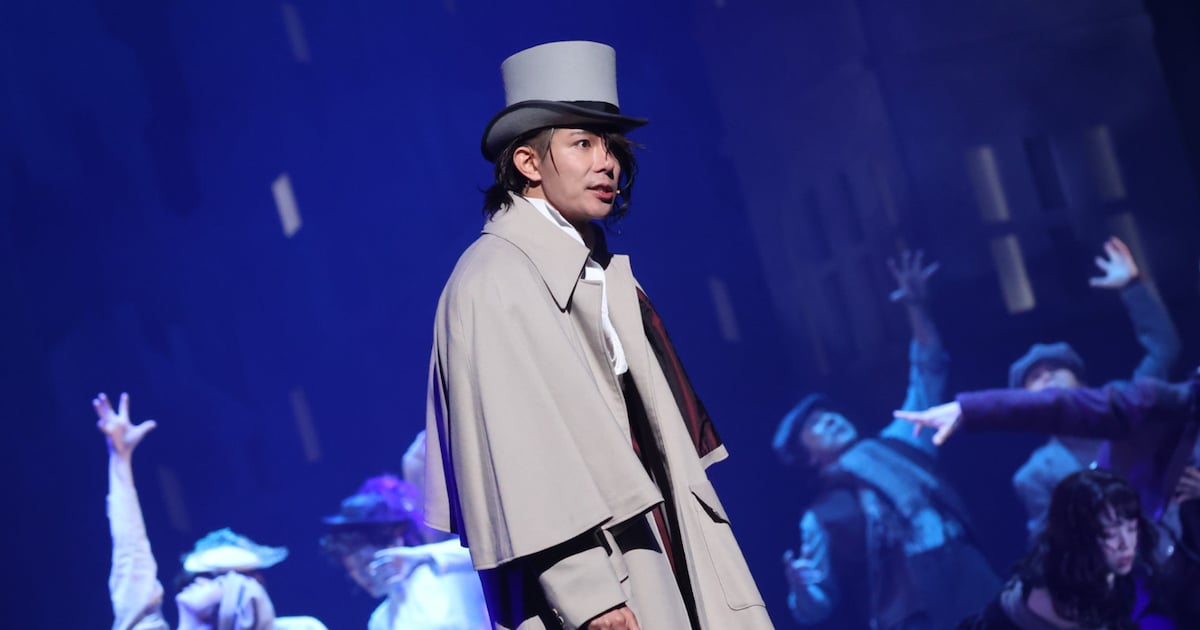
On March 15, 2026, the new production of the musical 「ジキル&ハイド」 (Jekyll & Hyde) 開幕 (kaimaku, opened) at Tokyo International Forum Hall C — with Hayato Kakizawa and Takanori Sato leading the cast.
This long-running musical, based on Robert Louis Stevenson’s classic novel, continues to captivate Japanese audiences — and this time, it returns with a refreshed script and direction.
A New Production of a Beloved Musical
The musical 「ジキル&ハイド」 (Jekyll & Hyde) features music by Frank Wildhorn and a book and lyrics by Leslie Bricusse. Since its Japanese premiere in 2001, it has been repeatedly 上演 (jouen, staged) across the country.
In this 2026 production, the performance script and lyrics have been newly adapted by Tetsuro Takahira, and direction is handled by Kazuya Yamada. That means this version 前回とは大きく変わっている (zenkai to wa ookiku kawatte iru) — it is very different from the previous production three years ago.
Main Cast
- ヘンリー・ジキル/エドワード・ハイド (Henry Jekyll / Edward Hyde): 柿澤勇人 (Hayato Kakizawa) / 佐藤隆紀 (Takanori Sato, LE VELVETS)
- ルーシー・ハリス (Lucy Harris): 真彩希帆 (Kiho Maaya) / 和希そら (Sora Kazuki)
- エマ・カルー (Emma Carew): Dream Ami / 唯月ふうか (Fūka Yuzuki)
The show runs in Tokyo until March 29, before touring Osaka, Fukuoka, Aichi, and Yamagata through April 26.
The Actors’ Messages
At the start of the run — expressed in Japanese as 開幕に際し (kaimaku ni saishi, on the occasion of the opening) — Kakizawa shared his thoughts:
「前回、3年前の公演とは大きく変わっておりますが、先輩方から引き継ぎました財産を糧に、大事に、大切に、リスペクトしながら新たなカンパニーでエネルギッシュなパッション溢れる作品にしていきたいと思います。最後まで駆け抜けます。劇場でお待ちしております。」
He explained that although this production is very different from the last one, he wants to respect and 引き継ぐ (hikitsugu, inherit/take over) the legacy built by senior performers. Using that legacy as “nourishment,” he hopes to create an energetic, passionate show with the new company.
His final words, 「最後まで駆け抜けます」 (saigo made kakenukemasu), literally mean “I will run through to the end” — a powerful expression of determination.
Co-lead Sato also reflected on the rehearsal process:
「稽古期間は、とても大きな発見や気づきの多い濃い時間となりました。」
The 稽古 (keiko, rehearsal) period was filled with discoveries, he said. Working with the director, assistant directors, music director, vocal coaches, choreographers, and action instructors, he spent his days in 試行錯誤 (shikou sakugo, trial and error).
Although he struggled at times, overcoming challenges one by one made him excited to finally deliver the performance. He expressed strong 意気込み (ikigomi, enthusiasm and determination), saying he wants to present a stage that will remain in the audience’s memories.
Cultural Context: Long-Running Musicals in Japan
Unlike Broadway or the West End, where a show may run for years in one theater, major musicals in Japan often open in Tokyo and then tour several cities.
This production follows that pattern:
- Tokyo (March 15–29)
- Osaka (April 3–6)
- Fukuoka (April 11–12)
- Aichi (April 18–19)
- Yamagata (April 25–26)
The fact that 「ジキル&ハイド」 has been repeatedly 上演 since 2001 shows how strongly it resonates with Japanese theater audiences. Well-known actors often double-cast major roles, as seen here with both Jekyll/Hyde and the female leads.
Learn Japanese from This Article
Let’s turn this entertainment news into a practical Japanese lesson.
Key Vocabulary
| Japanese | Romaji | Meaning |
|---|---|---|
| 開幕 | kaimaku | opening (of an event or show) |
| 上演 | jouen | stage performance; to stage |
| 稽古 | keiko | rehearsal; practice |
| 試行錯誤 | shikou sakugo | trial and error |
| 引き継ぐ | hikitsugu | to inherit; to take over |
| 意気込み | ikigomi | enthusiasm; determination |
| 駆け抜ける | kakenukeru | to run through; to go all the way |
Try making your own sentence:
- 最後まで駆け抜けます。 Saigo made kakenukemasu. “I’ll go all the way to the end.”
You can use this for exams, projects, or any big challenge.
Grammar Spotlight
1️⃣ 〜に際し(にさいし) — “On the occasion of…”
A formal expression often used in speeches or official comments.
Pattern: Noun + に際し
Example from the article:
- 開幕に際し、柿澤はメッセージを送った。 Kaimaku ni saishi, Kakizawa wa messēji o okutta. “On the occasion of the opening, Kakizawa delivered a message.”
Other examples:
- 卒業に際し、先生に感謝を伝えました。 Sotsugyō ni saishi, sensei ni kansha o tsutaemashita. “On the occasion of graduation, I expressed my gratitude to my teacher.”
This phrase is more formal than simple time markers like とき.
2️⃣ 〜とは大きく変わっている — “Very different from ~”
Pattern: Noun + とは大きく変わっている
- 前回とは大きく変わっている。 Zenkai to wa ookiku kawatte iru. “It is very different from the last time.”
This structure emphasizes contrast.
Useful Expressions from the Cast
劇場でお待ちしております。 Gekijō de omachi shite orimasu. “We look forward to welcoming you at the theater.” (very polite)
皆様の記憶に残る舞台をお届けしたい。 Minasama no kioku ni nokoru butai o otodoke shitai. “We want to deliver a performance that remains in everyone’s memory.”
Notice the respectful tone — common in Japanese theater announcements.
Continue Learning
To understand more about time expressions like performance dates and schedules, explore our lesson:
Mastering these structures will help you read event schedules and announcements naturally in Japanese.
The next time you see words like 開幕 or 上演, you’ll know you’re reading about something big happening on stage in Japan.
これからもよろしくお願いします。 Kore kara mo yoroshiku onegaishimasu.