
Japan's Digital Address Revolution: A Glimpse into the Future
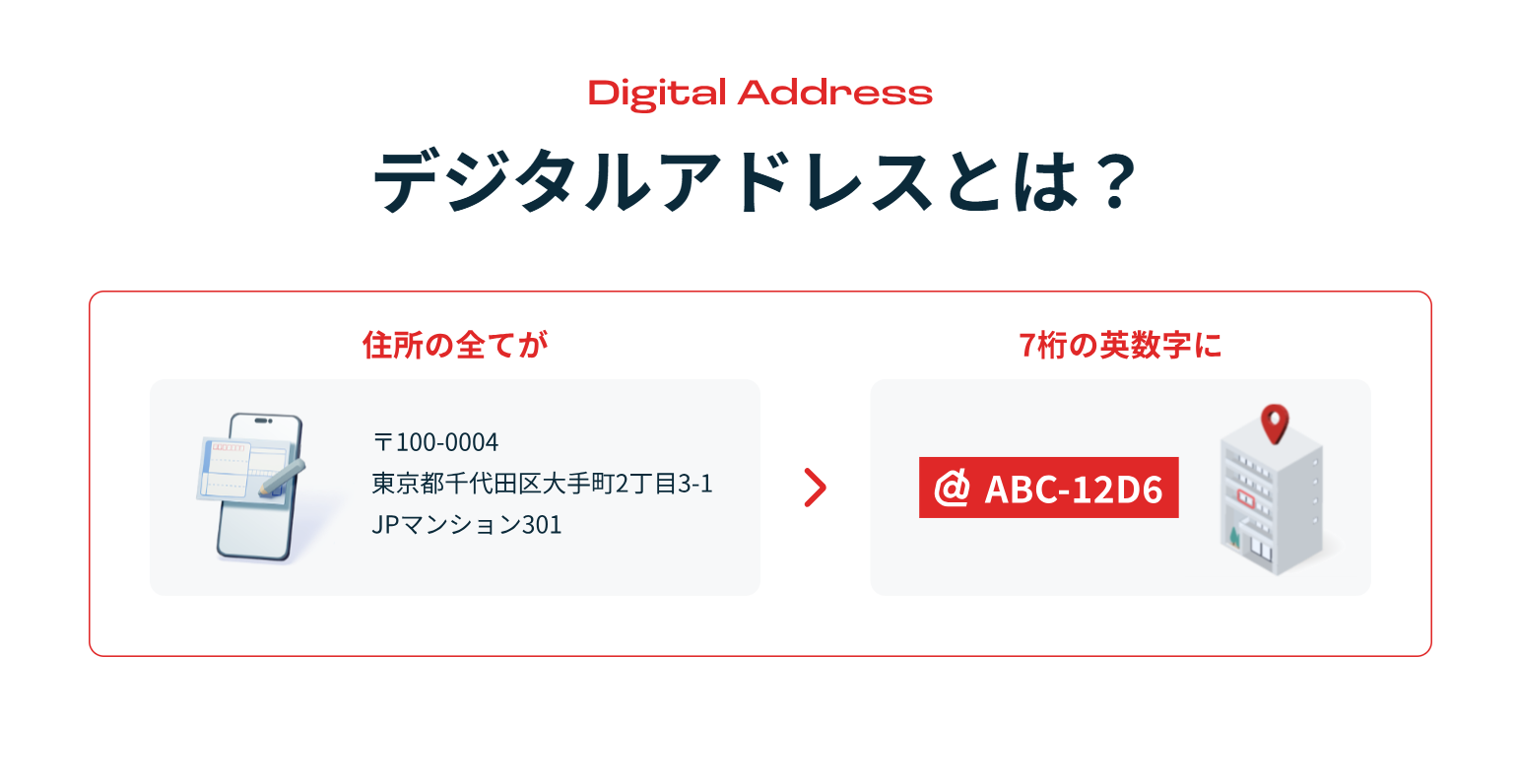
Imagine a world where your address isn’t tied to a physical location but follows you wherever you go, encoded in a simple 7-digit code like “ABC-1234.” Sounds futuristic, right? Well, in Japan, this is becoming a reality. On January 23, 2026, a powerful alliance led by 日本郵便 (Nihon Yūbin, Japan Post) and 楽天グループ (Rakuten Gurūpu, Rakuten Group) launched the デジタルアドレス・オープンイノベーション (Dejitaru Adoresu Ōpun Inobēshon, Digital Address Open Innovation) consortium. This isn’t just a tech gimmick—it’s a bold leap into redefining how addresses work in the digital age. As a Japanese learner, this story offers a unique chance to see modern Japanese language and culture in action, straight from the heart of Japan’s innovation scene.
The News: A New Era of Digital Addresses
At the core of this initiative is the デジタルアドレス (dejitaru adoresu, digital address), a system that transforms traditional addresses into a permanent 7-digit alphanumeric code. Unlike the addresses you’re used to, this code sticks with you even if you move, acting as a lifelong digital identifier. 日本郵便 (Nihon Yūbin, Japan Post) is spearheading the effort by providing a free API to businesses, making it easy to convert these codes back into physical locations. The vision is ambitious: integrate this system into everyday life across sectors like e-commerce, 物流 (butsuryū, logistics), finance, healthcare, and tourism.
This isn’t a small project either. The コンソーシアム (konsōshiamu, consortium) brings together giants like セールスフォース・ジャパン (Sērusufōsu Japan, Salesforce Japan), アパグループ (Apa Gurūpu, Apa Group), and アフラック生命保険 (Afurakku Seimei Hoken, Aflac Life Insurance), alongside academic partners such as the University of Tokyo’s Center for Spatial Information Science. With oversight from the 総務省 (Sōmushō, Ministry of Internal Affairs and Communications) and デジタル庁 (Dejitaru-chō, Digital Agency), they’re conducting 実証実験 (jisshō jikken, demonstration experiments) to test real-world applications. Their ultimate goal is 住所のDX (jūsho no DX, digital transformation of addresses), a phrase you’ll hear a lot in Japan’s tech circles.
Cultural Context: Japan’s Drive for Digital Transformation
If you’ve ever wondered how Japan balances its ancient traditions with futuristic innovation, this project is a perfect example. The concept of DX (dīekkusu, digital transformation) isn’t just a trendy term—it’s a national mission. Japan’s government and businesses are racing to modernize outdated systems, from cashless payments to digital IDs. The デジタルアドレス (dejitaru adoresu, digital address) initiative reflects a cultural obsession with precision and efficiency, especially in a country where 住所 (jūsho, addresses) can be notoriously complex. Narrow streets, non-sequential house numbers, and vague rural locations often make navigation a challenge, even for locals.
What’s also quintessentially Japanese is the collaborative nature of this コンソーシアム (konsōshiamu, consortium). Bringing together industry, academia, and government embodies the cultural value of 和 (wa, harmony). This isn’t about one company dominating the space—it’s a collective effort for 社会実装 (shakai jissō, social implementation), ensuring the technology benefits everyone, from city dwellers to rural communities. As a learner, understanding this mindset helps you see why Japan approaches innovation with such meticulous care.
Learn Japanese from This Article
This news isn’t just a cool story—it’s a goldmine for learning authentic Japanese. The terms and grammar used in tech and business contexts like this are part of the modern language landscape. Let’s dive into some key vocabulary and grammar patterns you can pick up from this topic and start using yourself.
Key Vocabulary
| Japanese | Romaji | Meaning |
|---|---|---|
| デジタルアドレス | dejitaru adoresu | digital address |
| コンソーシアム | konsōshiamu | consortium |
| 社会実装 | shakai jissō | social implementation |
| 住所 | jūsho | address |
| 物流 | butsuryū | logistics, distribution |
| 実証実験 | jisshō jikken | demonstration experiment, pilot test |
| DX | dīekkusu | digital transformation |
Grammar Spotlight: 〜ための (for the purpose of, in order to)
One useful structure you’ll encounter in discussions about initiatives like this is 〜ための (tame no), which means “for the purpose of” or “in order to.” It’s often used to explain the goal or reason behind an action, especially in formal or business contexts.
- Structure: [Noun/Verb (dictionary form)] + ための + [Noun]
- Examples:
- デジタルアドレスを普及させるためのコンソーシアムが設立されました。 (Dejitaru adoresu o fukyū saseru tame no konsōshiamu ga setsuritsu saremashita.) A consortium was established for the purpose of promoting digital addresses.
- 社会実装のための実証実験が行われています。 (Shakai jissō no tame no jisshō jikken ga okonawareteimasu.) Demonstration experiments are being conducted for the purpose of social implementation.
- 住所のDXを進めるための取り組みが重要です。 (Jūsho no DX o susumeru tame no torikumi ga jūyō desu.) Efforts to advance the digital transformation of addresses are important.
Use this pattern when you want to explain the purpose behind something, whether it’s a personal goal or a larger project. It’s a versatile structure you’ll hear often in Japanese news and formal discussions.
Grammar Spotlight: 〜続ける (to continue doing something)
Another handy pattern is 〜続ける (tsudzukeru), which means “to continue doing something.” It’s used to describe ongoing actions or efforts, like the ones in this digital address project.
- Structure: [Verb (te-form)] + 続ける
- Examples:
- デジタルアドレスを開発し続けています。 (Dejitaru adoresu o kaihatsu shi tsudzuketeimasu.) They continue to develop digital addresses.
- 実証実験を行い続けます。 (Jisshō jikken o okonai tsudzukemasu.) They will continue conducting demonstration experiments.
- DXを推進し続けることが目標です。 (DX o suishin shi tsudzukeru koto ga mokuhyō desu.) The goal is to continue promoting digital transformation.
This pattern is perfect for talking about persistence or ongoing activities, whether it’s studying Japanese or working on a long-term project. It adds a sense of continuity to your sentences.
Continue Learning
Want to dig deeper into the Japanese language used in topics like addresses and technology? Check out these lessons for more context and practice:
- Curious about the Japanese used here? Our Ni, De, and E: Mapping Directions and Locations lesson covers this in depth.
- Curious about the Japanese used here? Our Numbers and Counters: Contextual Counting Systems lesson covers this in depth.
- Want to learn more about は? Check out our lesson on Wa vs. Ga: Emphasizing Importance in Sentences.
Closing Thoughts
Learning Japanese isn’t just about memorizing words—it’s about connecting with the living, breathing culture behind the language. Stories like the デジタルアドレス (dejitaru adoresu, digital address) initiative show you how Japan is shaping its future while staying true to its values of harmony and precision. Keep exploring these real-world contexts, and you’ll find your understanding of Japanese growing deeper every day.
これからもよろしくお願いします。 Kore kara mo yoroshiku onegaishimasu.