
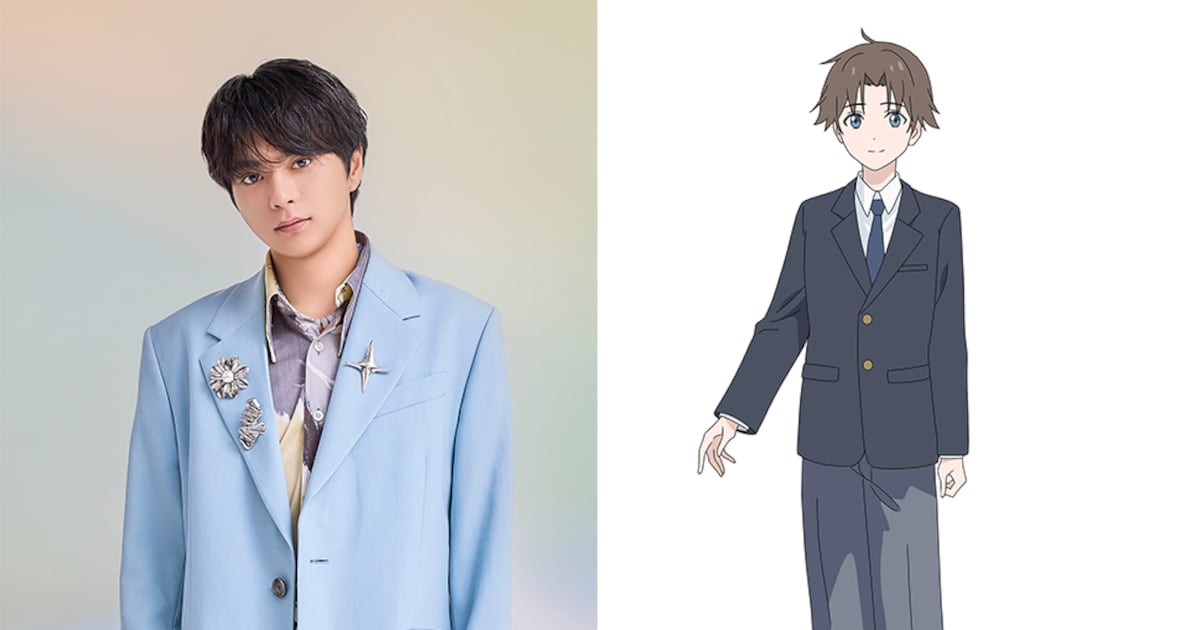
Satō Shōri’s Anime Debut Shines at Nagaoka Fireworks Festival
Imagine yourself on a warm summer night in Japan, surrounded by the dazzling bursts of 花火 (hanabi—fireworks) at the iconic 長岡まつり大花火大会 (Nagaoka Matsuri Daihanabi Taikai—Nagaoka Fireworks Festival) in Niigata. Amidst this awe-inspiring scene, a new animated film is set to capture hearts with a touching love story. Releasing on July 17, 2026, this movie marks the exciting anime debut of 佐藤勝利 (Satō Shōri), a beloved member of the idol group timelesz (taimuresu), as he takes on the 主演 (shuen—lead role). If you’ve ever dreamed of diving into Japanese entertainment while learning the language authentically, this is your chance to explore both!
A Dream Come True for Satō Shōri
On January 25, 2026, fans were thrilled to learn that Satō Shōri will voice the protagonist in 君と花火と約束と (Kimi to Hanabi to Yakusoku to—You, Fireworks, and a Promise). Based on a novel by 真戸香 (Mato Ka), this film tells a 切ない (setsunai—heartbreaking yet poignant) romance set against the stunning backdrop of the Nagaoka Fireworks Festival. Satō steps into the role of 夏目誠 (Natsume Makoto), a shy high school boy grappling with connection and confidence, while actress 原菜乃華 (Hara Nanoka) voices the heroine, 葉山煌 (Hayama Akira).
For Satō, this project fulfills a 念願 (nengan—long-cherished wish). He shared, “I’ve always wished to work in animation. It took time for this dream to materialize, but receiving this offer made me incredibly happy.” His 初挑戦 (hatsutōsen—first attempt) at voice acting is met with warmth from the production team, and he hopes to bring authenticity to Makoto’s character. Hara, too, is dedicated to conveying the story’s emotions with sincerity. You can already catch a glimpse of their work in the teaser video on YouTube—perfect inspiration to start learning the language of anime!
A Story Beyond Romance
This film isn’t just about love; it carries a deeper message of 平和 (heiwa—peace) and remembrance. The 舞台 (butai—setting) of the Nagaoka Fireworks Festival ties the narrative to Japan’s history, reflecting on the pain of war and the hope for a brighter future. Satō himself emphasized, “War must never be repeated. I sincerely wish for true peace to continue.” Hara echoed this sentiment, noting how the story connects past generations’ wishes to the future through youthful love and fateful encounters under the fireworks.
Cultural Context: The Heart of Nagaoka Fireworks
If you’re new to Japanese traditions, the 長岡まつり大花火大会 (Nagaoka Matsuri Daihanabi Taikai) is far more than a pretty display. Held annually in Niigata Prefecture, it began as a memorial for victims of the 1945 bombings during World War II. Over time, it became a symbol of resilience and reconstruction for the city of Nagaoka. Each firework carries 祈り (inori—prayers) and 願い (negai—wishes) for peace and healing, reflecting a collective memory that shapes modern Japanese identity.
This cultural layer adds profound depth to the film’s story. As you engage with Japanese media like anime, you’ll often find personal tales intertwined with historical and societal themes. Understanding this context not only enhances your viewing experience but also offers insight into how Japanese people express emotions and values through art and festivals.
Learn Japanese from This Article
Let’s dive into some practical language lessons inspired by this exciting news. Whether you’re watching the teaser or dreaming of visiting a fireworks festival yourself, these words and grammar points will help you connect with the story and culture authentically—just as Japanese children learn their language through real-life contexts.
Key Vocabulary
| Japanese | Romaji | Meaning |
|---|---|---|
| 花火 | hanabi | fireworks |
| 主演 | shuen | lead role, starring role |
| 念願 | nengan | long-cherished wish, dream |
| 舞台 | butai | stage, setting (of a story) |
| 切ない | setsunai | heartbreaking, poignant |
| 初挑戦 | hatsutōsen | first attempt, first challenge |
| 平和 | heiwa | peace |
Grammar Spotlight
Here are two grammar patterns that capture the emotions and aspirations tied to this story. These are used naturally in Japanese to express hopes and intentions—perfect for diving into authentic conversations.
1. 〜たいと願う (~tai to negau) – To Wish/Hope to Do Something
This structure combines the desire form 〜たい (~tai—want to) with 願う (negau—to wish/hope) to express a heartfelt longing or dream.
- Pattern: Verb (stem form) + たいと願う
Examples:
- アニメで声優をしたいと願っています。 (Anime de seiyū o shitai to negatteimasu.) I wish to become a voice actor in anime.
- 日本で花火を見たいと願っています。 (Nihon de hanabi o mitai to negatteimasu.) I hope to see fireworks in Japan.
- 平和が続くように願っています。 (Heiwa ga tsuzuku yō ni negatteimasu.) I wish for peace to continue.
When to Use: This is great for expressing personal dreams or aspirations, often with a sincere or emotional tone, as Satō did when discussing his dream of working in animation.
2. 〜られるように (~rareru yō ni) – So That (Something Can Happen), In Order To
This pattern is used to express a purpose or hope that something can be achieved, often tied to prayers or efforts.
- Pattern: Verb (potential form) + ように
Examples:
- 良い演技ができるように頑張ります。 (Yoi engi ga dekiru yō ni ganbarimasu.) I’ll do my best so that I can perform well.
- 平和が守られるように祈っています。 (Heiwa ga mamorareru yō ni inotteimasu.) I pray so that peace can be protected.
- 映画が成功するように願っています。 (Eiga ga seikō suru yō ni negatteimasu.) I hope for the movie to succeed.
When to Use: This is often used in formal or heartfelt contexts, like wishing for success or peace, mirroring the deeper themes of the Nagaoka Fireworks Festival.
Continue Learning
Ready to expand your Japanese skills further? Check out these related lessons to deepen your understanding of the language and culture tied to this story:
- Ni, De, and E: Mapping Directions and Locations: Want to learn more about に? Check out our lesson on Ni, De, and E: Mapping Directions and Locations.
- Greetings and Self-Introductions: Authentic Entry Phrases: To understand more about culture, explore our Greetings and Self-Introductions: Authentic Entry Phrases lesson.
- Time and Dates: Tense-Free Expressions: Curious about the Japanese used here? Our Time and Dates: Tense-Free Expressions lesson covers this in depth.
Closing Thoughts
As you follow Satō Shōri’s journey into anime and immerse yourself in the cultural richness of the Nagaoka Fireworks Festival, remember that learning Japanese is about more than just words—it’s about connecting with stories, history, and emotions. Keep practicing with these vocabulary words and grammar patterns, and soon you’ll be expressing your own dreams and wishes in Japanese, just like the characters in 君と花火と約束と (Kimi to Hanabi to Yakusoku to).
これからもよろしくお願いします。 Kore kara mo yoroshiku onegaishimasu.