
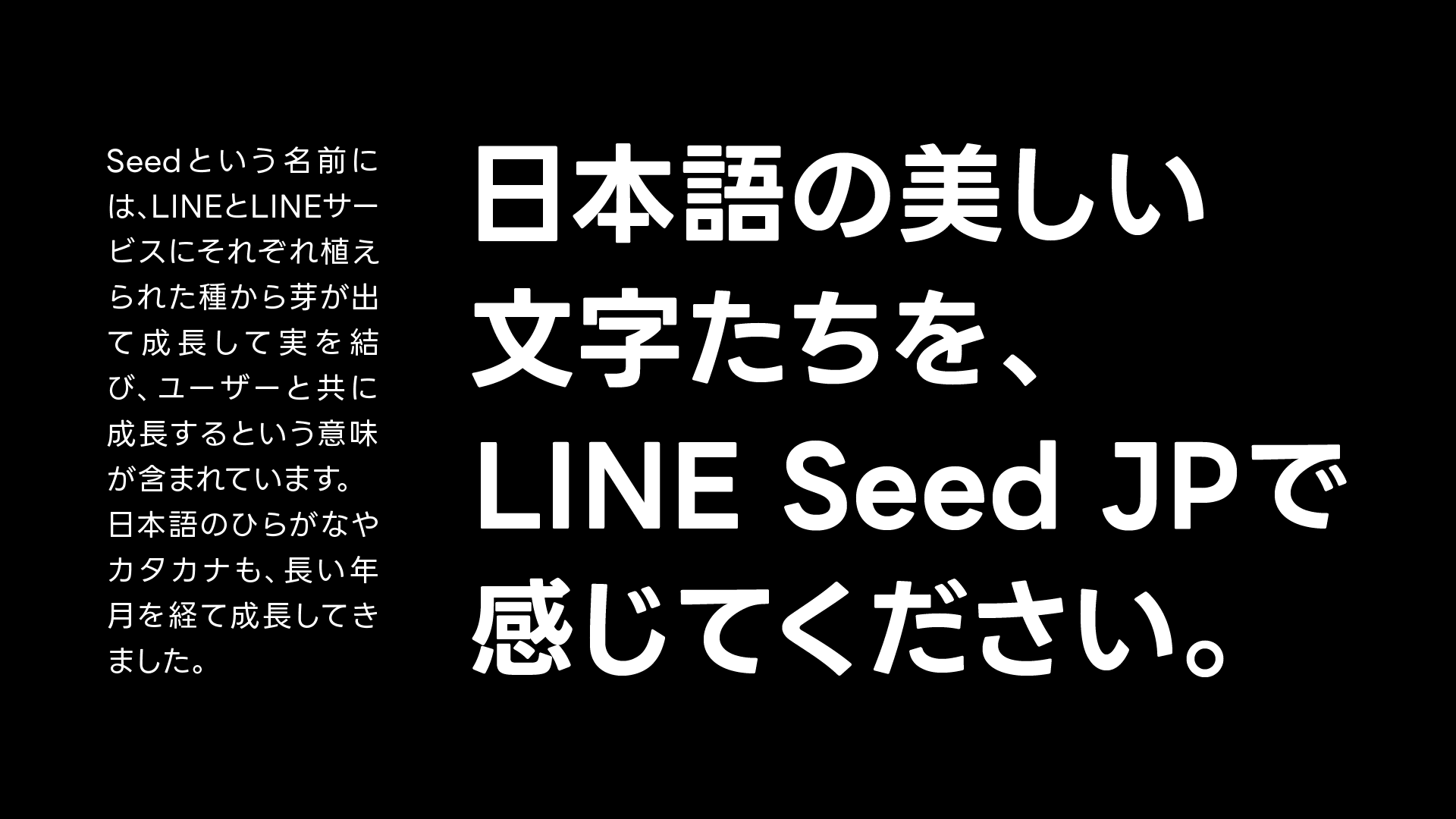
LINE Seed JP Font Released on Google Fonts: A Tech and Language Gem
Hey there, Japanese learner! Have you ever noticed how much thought goes into the tiniest details of Japanese design, like the fonts on your favorite apps? If you’ve ever tapped away on LINE, Japan’s go-to messaging app, you’ve already experienced a slice of their aesthetic. On January 23, 2026, LINE Yahoo dropped exciting news for tech enthusiasts and language learners alike: their signature Japanese font, LINE Seed JP (rain shīdo jei pī), is now freely available on Google Fonts (gūguru fonto). This isn’t just a win for designers—it’s a unique chance for you to explore Japanese typography and culture while picking up some useful language along the way.
The Big News: LINE Seed JP Goes Public
LINE Yahoo has made waves by releasing LINE Seed JP, the Japanese version of their corporate font LINE Seed (rain shīdo), on Google Fonts. What’s even better? It comes with the SIL Open Font License 1.1 (esu ai eru ōpun fonto raisensu), meaning you can use it for free, whether for 商用 (shōyō - commercial use) projects or personal creations. Imagine designing a sleek poster, building a website, or even jazzing up your Japanese study notes with a font that embodies modern Japanese tech vibes. It’s all yours to play with!
This font isn’t just pretty—it’s practical. Described as a ジオメトリック (jiometorikku - geometric) sans-serif typeface, LINE Seed JP blends clean, straight lines with soft, rounded edges for a look that’s both シンプル (shinpuru - simple) and approachable. It’s also designed for high 視認性 (shininsei - visibility, legibility), so even tiny text on smartphone screens remains crystal clear. While LINE offers this font in multiple languages on their official site, the Google Fonts release focuses solely on the Japanese version for now, making it a perfect tool for learners like you to dive into authentic Japanese design.
Cultural Context: Fonts as a Window into Japanese Tech
In Japan, design goes beyond aesthetics—it’s about creating harmony and trust. A フォント (fonto - font) like LINE Seed JP isn’t just a typeface; it’s a reflection of LINE’s コーポレート (kōporēto - corporate) identity and Japan’s cultural focus on precision. LINE, a cornerstone of daily communication in Japan, uses this font in its app interface to make users feel at ease. Every curve and line is carefully crafted to balance functionality with friendliness, mirroring Japan’s broader approach to technology as something that serves people seamlessly.
Releasing LINE Seed JP on a global stage like Google Fonts also shows how Japanese companies are sharing their innovations with the world. It’s a small but meaningful way to spread Japanese design principles, blending modern tech with accessibility. As you learn Japanese, paying attention to these details—down to the fonts—can deepen your appreciation for how language, culture, and technology intertwine in everyday life.
Learn Japanese from This Article
Let’s turn this tech news into a mini Japanese lesson! Below, you’ll find key vocabulary from the story, plus a spotlight on grammar patterns that’ll help you sound more natural. These are words and structures Japanese native speakers use daily, so you’re learning the real deal, just as kids in Japan do.
Key Vocabulary
| Japanese | Romaji | Meaning |
|---|---|---|
| フォント | fonto | font |
| コーポレート | kōporēto | corporate |
| ライセンス | raisensu | license |
| 商用 | shōyō | commercial use |
| 視認性 | shininsei | visibility, legibility |
| シンプル | shinpuru | simple |
| ジオメトリック | jiometorikku | geometric |
Grammar Spotlight: 〜ている (Ongoing Action or State)
The pattern 〜ている (~te iru) is used to describe an ongoing action or a current state resulting from a past action. It’s super common in Japanese and helps you talk about things happening right now or habits.
- Structure: Verb (て-form) + いる
Examples:
- 私は日本語を勉強している。(Watashi wa nihongo o benkyō shite iru.
- I am studying Japanese.)
- 彼はLINEを使っている。(Kare wa LINE o tsukatte iru.
- He is using LINE.)
- フォントを見ている。(Fonto o mite iru.
- I’m looking at the font.)
- 私は日本語を勉強している。(Watashi wa nihongo o benkyō shite iru.
When to Use: Use 〜ている when describing something happening at this moment or a continuous state. Unlike English, it can also describe a state that “remains” after an action, like “knowing” something (知っている - shitte iru).
Grammar Spotlight: 〜として (As, In the Role Of)
The pattern 〜として (~to shite) means “as” or “in the role of” and is often used to describe how something or someone functions in a specific context. It’s great for formal or explanatory sentences.
- Structure: Noun + として
- Examples:
- LINEはコミュニケーションツールとして有名です。(LINE wa komyunikēshon tsūru to shite yūmei desu.
- LINE is famous as a communication tool.)
- このフォントはデザインツールとして使えます。(Kono fonto wa dezain tsūru to shite tsukaemasu.
- This font can be used as a design tool.)
- LINEはコミュニケーションツールとして有名です。(LINE wa komyunikēshon tsūru to shite yūmei desu.
- When to Use: Use 〜として to clarify the role or function of something. It’s often seen in written or formal contexts but can pop up in conversation too.
Continue Learning
Want to build on what you’ve learned here? Check out these lessons to dive deeper into authentic Japanese expressions and grammar:
- Greetings and Self-Introductions: Authentic Entry Phrases: Curious about the Japanese used here? Our Greetings and Self-Introductions: Authentic Entry Phrases lesson covers this in depth.
- Time and Dates: Tense-Free Expressions: To understand more about dates, explore our Time and Dates: Tense-Free Expressions lesson.
- Ni, De, and E: Mapping Directions and Locations: Ready to dive deeper? Our lesson on Ni, De, and E: Mapping Directions and Locations will help you master these concepts.
Closing Thoughts
Exploring something as unique as a font release like LINE Seed JP shows you how much there is to learn about Japanese culture through everyday tech. Keep experimenting with these words and grammar patterns, and soon you’ll be chatting about design and innovation like a native. これからもよろしくお願いします。(Kore kara mo yoroshiku onegaishimasu.)