
Japan’s Ministry Data Leak: A Tech Mishap with Cultural Weight
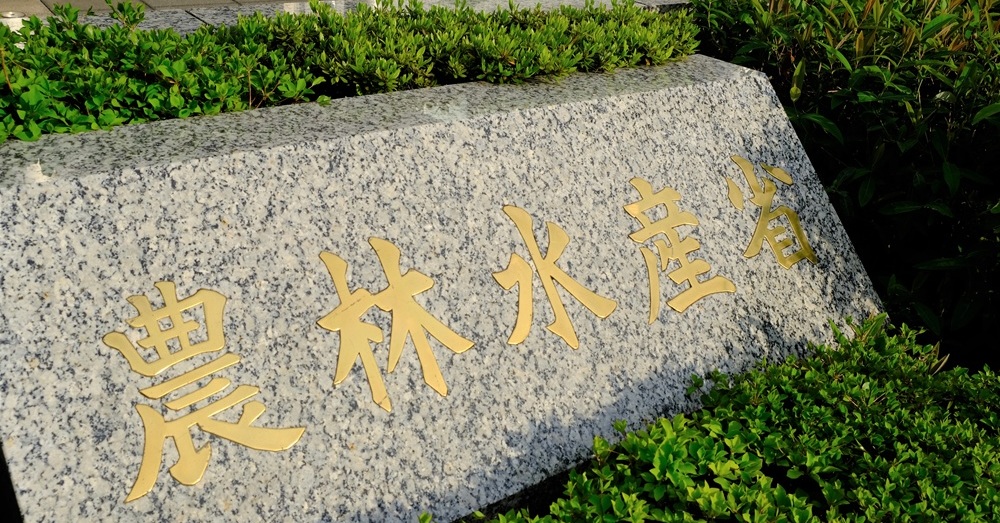
If you’ve ever wondered how Japan balances its reputation for precision with the messy realities of the digital age, a recent incident from the 農林水産省 (Nōrin Suisan Shō), Japan’s Ministry of Agriculture, Forestry and Fisheries, offers a fascinating case study. On January 23, 2026, the ministry announced a startling 漏えい (rōei)—a leak—of personal information affecting 4,571 individuals, including employees and their families. This wasn’t a sophisticated cyberattack but a simple human error: an email with sensitive data was sent to the wrong address, landing on an 外部 (gaibu)—external—server. For learners of Japanese language and culture, this story isn’t just about tech; it’s a window into Japan’s values of trust and accountability. Let’s dive into what happened and what you can learn from it.
The Email Error That Exposed Thousands
The scale of this data leak is jaw-dropping. The exposed information included names, birthdates, addresses, salary details, 源泉徴収 (gensen chōshū)—withholding tax—records, insurance deductions, and even マイナンバー (Mai Nambā)—Japan’s individual identification number, similar to a Social Security number. Family members’ personal details were also compromised. Imagine your most private information accidentally shared with a stranger—that’s the gravity of this mistake. Thankfully, as of the announcement, there’s been no report of 悪用 (akuyō)—misuse—of the data. Still, the incident raises big questions about data security in a country often seen as meticulous.
In response, the ministry has committed to 研修 (kenshū)—training—sessions for staff to prevent future errors. This move reflects a broader push toward デジタル (dejitaru)—digital—literacy in Japan’s government sectors. But beyond the technical fix, this story reveals much about how Japan handles mistakes on a cultural level, which we’ll explore next.
Cultural Context: Trust and Responsibility
In Japan, public institutions like the 農林水産省 (Nōrin Suisan Shō) are deeply tied to national identity, overseeing vital industries like agriculture and fisheries. When a mistake like this happens, it’s not just a technical glitch; it’s a breach of 責任 (sekinin)—responsibility—a core value in Japanese society. Public apologies and corrective actions, like the promised training, aren’t just damage control; they’re a way to restore trust. If you’ve ever noticed how quickly Japanese organizations own up to errors, this is why.
The マイナンバー (Mai Nambā) system itself also carries cultural weight. Introduced in 2016 to streamline administrative tasks, it’s been met with mixed feelings. Many Japanese citizens worry about privacy risks, and incidents like this only fuel those concerns. As you learn Japanese, understanding these societal nuances helps you see why a data leak isn’t just news—it’s a reflection of deeper values and debates.
Learn Japanese from This Article
Stories like this are a goldmine for learning authentic Japanese, the way it’s used in real-life contexts. Let’s break down some key vocabulary and grammar from this incident to help you build your skills, just as native speakers would encounter them in news or conversation.
Key Vocabulary
Here are some essential words tied to this story that you’ll encounter in discussions about technology, privacy, and bureaucracy in Japan:
| Japanese | Romaji | Meaning |
|---|---|---|
| 漏えい | rōei | leak (of information), disclosure |
| マイナンバー | mai nambā | My Number (Japan's ID number) |
| 源泉徴収 | gensen chōshū | withholding tax |
| 外部 | gaibu | external, outside |
| 研修 | kenshū | training, workshop |
| 悪用 | akuyō | misuse, abuse |
| デジタル | dejitaru | digital |
Grammar Spotlight: 〜によると (According to ~)
One useful structure you’ll see in Japanese news reports is 〜によると (~ ni yoru to), meaning “according to ~.” It’s a formal way to cite a source or authority, often used in official statements.
- Structure: [Source] + によると + [Information]
- Example 1: 農林水産省によると、個人情報が漏えいしたそうです。 (Nōrin Suisan Shō ni yoru to, kojin jōhō ga rōei shita sō desu.) - According to the Ministry of Agriculture, Forestry and Fisheries, personal information was leaked.
- Example 2: 新聞によると、悪用は確認されていないそうです。 (Shinbun ni yoru to, akuyō wa kakunin sarete inai sō desu.) - According to the newspaper, no misuse has been confirmed.
- When to Use: This is perfect for formal or reported speech, especially when discussing news or official announcements. It shows you’re relaying information from a specific source.
Grammar Spotlight: 〜ため(に) (For the Sake of, In Order to)
Another key pattern here is 〜ため(に) (~ tame (ni)), which means “for the sake of” or “in order to.” It explains the purpose or reason behind an action.
- Structure: [Purpose] + ため(に) + [Action]
- Example 1: 再発を防ぐために、研修を行います。 (Saihatsu o fusegu tame ni, kenshū o okonaimasu.) - In order to prevent recurrence, training will be conducted.
- Example 2: 個人情報を守るために、新しいシステムを導入します。 (Kojin jōhō o mamoru tame ni, atarashii shisutemu o dōnyū shimasu.) - For the sake of protecting personal information, a new system will be introduced.
- When to Use: Use this to explain intentions or goals, especially in formal or explanatory contexts like news or planning. The に is optional in more formal writing or speech.
Continue Learning
Want to deepen your understanding of Japanese language and culture? Check out these related lessons from “Japanese from Japan” to keep building your skills:
- Time and Dates: Tense-Free Expressions: To understand more about time, explore our Time and Dates: Tense-Free Expressions lesson.
- Wa vs. Ga: Emphasizing Importance in Sentences: To understand more about は, explore our Wa vs. Ga: Emphasizing Importance in Sentences lesson.
- Greetings and Self-Introductions: Authentic Entry Phrases: Want to learn more about culture? Check out our lesson on Greetings and Self-Introductions: Authentic Entry Phrases.
Closing Thoughts
This data leak story isn’t just a headline—it’s a chance to see how Japan navigates the challenges of a デジタル (dejitaru) world while holding onto cultural values like trust and responsibility. By learning the language and context behind such events, you’re not just memorizing words; you’re stepping into the mindset of Japanese society. Keep exploring with us, and you’ll uncover even more layers of this fascinating culture.
これからもよろしくお願いします。 Kore kara mo yoroshiku onegaishimasu.