
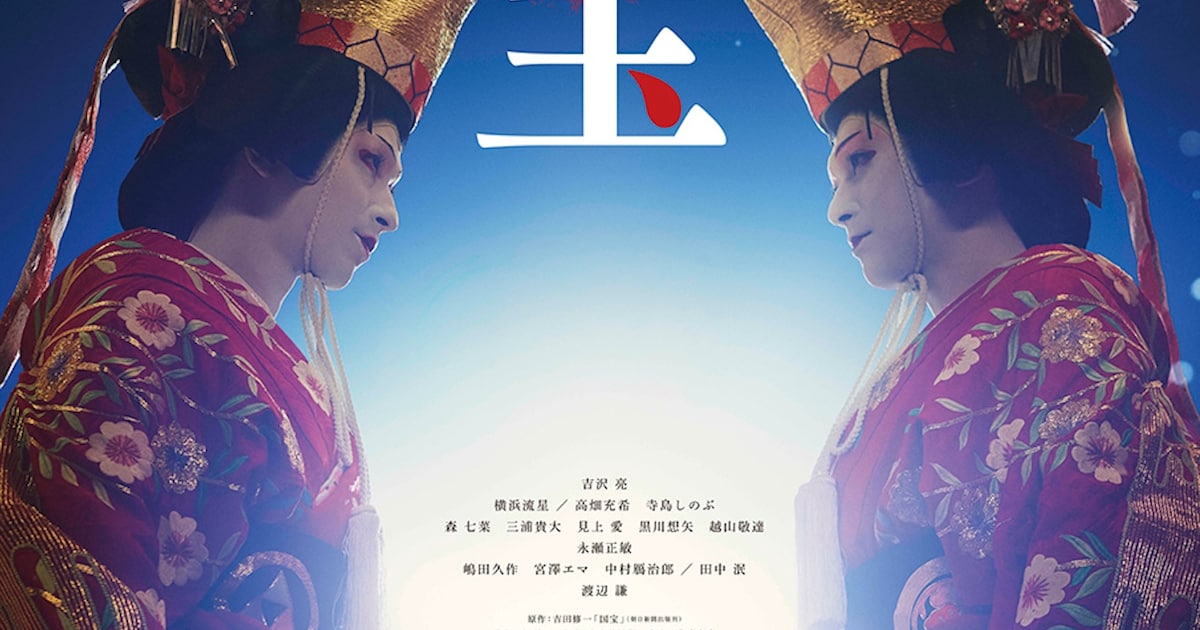
Japanese Film "Kokuhō" Makes History at the Academy Awards
If you’ve ever dreamed of diving into Japanese culture through its cinematic masterpieces, here’s some exciting news to inspire your language journey. On January 22, 2026, the Japanese film 国宝 (Kokuhō), meaning "National Treasure," earned a historic nomination for the Makeup and Hairstyling Award at the 98th Academy Awards. This is the first time a Japanese film has been recognized in this category, and it’s a perfect opportunity to explore authentic Japanese storytelling and the language that brings it to life. Let’s unpack this milestone and see how it can enrich your learning experience with "Japanese from Japan."
A Historic Milestone for Japanese Cinema
The nomination of 国宝 (Kokuhō) at the Academy Awards isn’t just a win for the film—it’s a celebration of Japan’s growing influence in global cinema. Announced on January 22, 2026, this film, directed by the acclaimed Lee Sang-il, stands out for its breathtaking makeup and hairstyling, a category often dominated by Hollywood giants. Known for intense dramas like 悪人 (Akunin, "Villain") and 怒り (Ikari, "Rage"), Lee brings to life the story of Kikuo Tachibana, a man torn between a yakuza upbringing and the world of traditional theater. With a stellar cast including Ryo Yoshizawa, Ryusei Yokohama, Mitsuki Takahata, and Ken Watanabe, the film has captivated audiences worldwide.
What makes this nomination—ノミネート (nominēto)—so special? It highlights the meticulous artistry behind Japanese storytelling, especially in how visual elements like makeup transform characters into living pieces of history. For language learners, this is a chance to see how Japanese culture values precision and heritage, themes you’ll encounter in everyday expressions and narratives.
A Box Office Sensation
When 国宝 (Kokuhō) had its 封切 (fūgiri, "release") in Japan on June 6, 2025, no one could have predicted its meteoric rise. By August, it shattered records with over 10 billion yen in 興行収入 (kōgyō shūnyū, "box office revenue"), surpassing the 22-year record held by 踊る大捜査線 THE MOVIE2 (Odoru Daisōsasen The Movie 2, "Bayside Shakedown 2") to become the highest-grossing live-action Japanese film ever. Its international acclaim is just as impressive, with screenings at major 映画祭 (eigasai, "film festivals") like Cannes, Shanghai, and Toronto. North American fans can look forward to a 2026 release through GKIDS, and the buzz from a special Los Angeles screening hosted by Tom Cruise in December 2025 has only heightened anticipation for the Academy Awards on March 16, 2026.
For learners, this success story shows how Japanese cinema can bridge cultures, giving you a window into phrases and concepts that define modern Japan. Imagine discussing a film’s success using terms like 興行収入 (kōgyō shūnyū)—it’s a practical way to connect with native speakers!
Cultural Context: The Heart of "Kokuhō"
The title 国宝 (Kokuhō, "National Treasure") isn’t just a catchy name—it carries deep cultural weight. In Japan, this term often refers to priceless artifacts or individuals who embody the nation’s heritage. In the film, it ties directly to the protagonist’s journey through 歌舞伎 (Kabuki), a traditional theater form dating back to the 17th century. Known for its dramatic performances, elaborate costumes, and transformative makeup, 歌舞伎 is a visual feast, making the film’s nomination for Makeup and Hairstyling incredibly fitting. Think of the iconic white face paint and bold wigs—these elements aren’t just aesthetic; they tell stories of character and emotion, much like the language itself.
There’s also a nod to 任侠 (Ninkyō, "chivalrous yakuza"), a romanticized view of yakuza as honorable outlaws often seen in Japanese media. This backdrop adds layers of loyalty and conflict to Kikuo’s story, reflecting values you’ll encounter in Japanese conversations. For learners, exploring 国宝 offers a chance to understand how Japan blends reverence for tradition with modern struggles, enriching your grasp of both language and culture.
Learn Japanese from This Article
Ready to turn this news into a language lesson? Here at "Japanese from Japan," we believe in learning the way native speakers do—through real, meaningful contexts like this film’s story. Below, you’ll find key vocabulary, grammar patterns, and expressions to help you talk about cinema and culture like a local.
Key Vocabulary
| Japanese | Romaji | Meaning |
|---|---|---|
| 国宝 | Kokuhō | National Treasure |
| ノミネート | Nominēto | Nomination |
| 興行収入 | Kōgyō Shūnyū | Box Office Revenue |
| 封切 | Fūgiri | Release (of a movie) |
| 映画祭 | Eigasai | Film Festival |
| 歌舞伎 | Kabuki | Kabuki (traditional theater) |
These words aren’t just tied to this story—they’re terms you’ll hear in everyday discussions about entertainment and culture in Japan. Try using 映画祭 (Eigasai) when chatting about global cinema events or 封切 (Fūgiri) to sound natural when mentioning a movie premiere.
Grammar Spotlight
Let’s look at two useful grammar patterns that can help you discuss achievements and inspirations, just like the story of 国宝 (Kokuhō).
1. 〜を果たす (~ o hatasu, "to achieve, to accomplish")
This pattern is used to express fulfilling a goal or achieving something significant, often with a sense of effort or honor.
- Structure: Noun + を + 果たす
- Example 1: 彼は夢を果たした。 (Kare wa yume o hatashita.) - "He achieved his dream."
- Example 2: 国宝は記録を果たした。 (Kokuhō wa kiroku o hatashita.) - "Kokuhō accomplished a record."
- When to use: Perfect for formal or dramatic contexts, like discussing milestones in film or personal success. It adds a weighty, accomplished tone to your statement.
2. 〜をもとに (~ o moto ni, "based on")
This phrase indicates something is created or derived from a source, often used in storytelling or adaptations.
- Structure: Noun + をもとに
- Example 1: この映画は小説をもとに作られた。 (Kono eiga wa shōsetsu o moto ni tsukurareta.) - "This movie was made based on a novel."
- Example 2: 歌舞伎の伝統をもとにデザインした。 (Kabuki no dentō o moto ni dezain shita.) - "Designed based on Kabuki traditions."
- When to use: Great for discussing inspirations, whether it’s a film adaptation or a cultural influence. It’s a natural way to connect ideas in conversation.
Useful Expressions
Here’s a bonus phrase inspired by the film’s cultural themes: 伝統を守る (Dentō o mamoru, "to preserve tradition"). You could say, 彼は歌舞伎の伝統を守っている。 (Kare wa Kabuki no dentō o mamotte iru.) - "He is preserving the tradition of Kabuki." It’s a powerful way to discuss heritage, a recurring theme in Japanese narratives.
Continue Learning
Want to dive deeper into the Japanese language used in stories like this? Check out these lessons from "Japanese from Japan" to build your skills:
- Time and Dates: Tense-Free Expressions: Curious about the Japanese used here? Our Time and Dates: Tense-Free Expressions lesson covers this in depth.
- Ni, De, and E: Mapping Directions and Locations: Curious about the Japanese used here? Our Ni, De, and E: Mapping Directions and Locations lesson covers this in depth.
- Wa vs. Ga: Emphasizing Importance in Sentences: Curious about the Japanese used here? Our Wa vs. Ga: Emphasizing Importance in Sentences lesson covers this in depth.
Learning Japanese through real-world stories like 国宝 (Kokuhō) makes every new word and grammar point feel alive. Keep exploring with us, and you’ll soon be chatting about Japanese cinema and culture with confidence. これからもよろしくお願いします。 Kore kara mo yoroshiku onegaishimasu.