
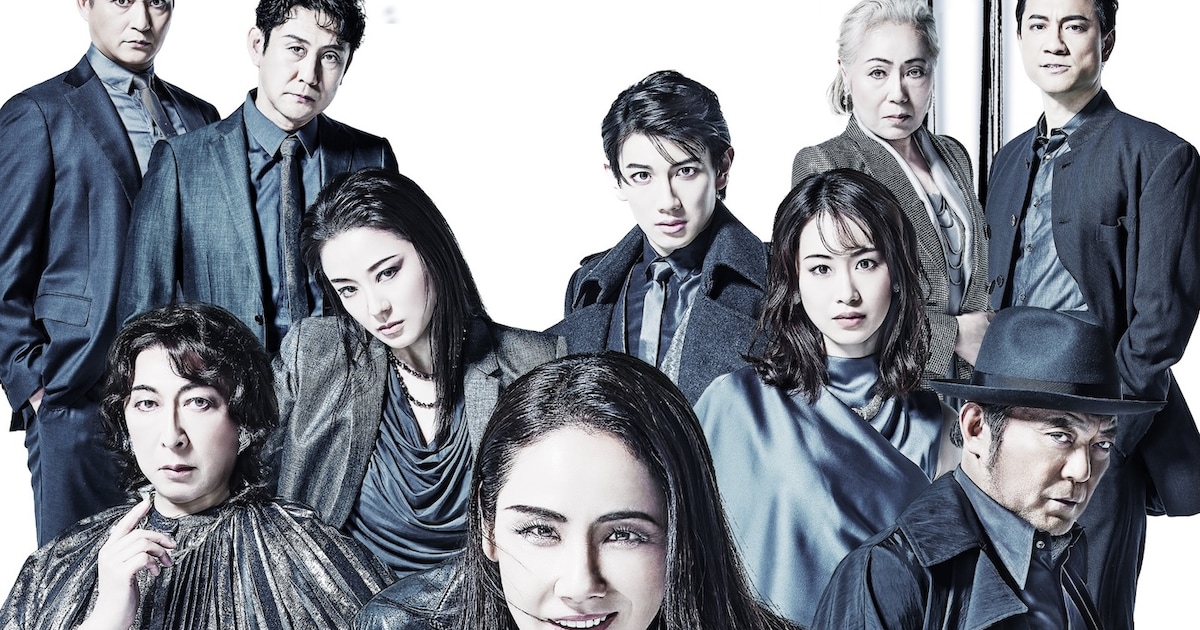
Shakespeare in Tokyo: "Richard III" Comes to Life in 2026 with Mori and Yoshida
Imagine yourself seated in a bustling Tokyo theater, the lights dimming as the curtain rises on a story of ambition and betrayal. If you've ever dreamed of experiencing Japanese performing arts firsthand, here's your chance to dive into an exciting cultural event. On January 22, 2026, Stage Natalie announced a captivating new production under PARCO Produce: the third collaboration between director 森新太郎 (Mori Shintarō) and acclaimed actress 吉田羊 (Yoshida Yō), reimagining Shakespeare’s Richard III as リチャード三世 (Richādo Sansei). This isn’t just a play—it’s a window into how Japan blends global classics with its own unique flair. Let’s explore the details of this production and uncover some authentic Japanese language and culture along the way!
A Dark Tale Unfolds: PARCO Produce 2026 “Richard III”
Get ready for a theatrical journey as リチャード三世 (Richādo Sansei - Richard III) takes the stage from May to June 2026 at Tokyo’s iconic PARCO劇場 (PARCO Gekijō - PARCO Theater) in Shibuya, with additional performances in Osaka, Aichi, Fukuoka, and Iwate. This is the latest in the PARCO Produce Shakespeare series, following the duo’s earlier hits Julius Caesar (2021) and Hamlet Q1 (2024). Director Mori and actress Yoshida are now tackling the complex story of Richard III, a man driven by a deep-seated 野心 (yashin - ambition) and a chilling hatred for peace, embodying the ultimate 悪役 (akuyaku - villain).
Yoshida steps into the titular role, portraying a cunning and manipulative king, supported by a talented cast including 愛希れいか (Aiki Reika), 中越典子 (Nakagoshi Noriko), and 赤澤遼太郎 (Akazawa Ryōtarō). Mori’s vision, as he shared in an interview, centers on Richard’s “demonic power of words” to exploit others’ hidden desires—a theme that promises a gripping 上演 (jōen - performance). He believes Yoshida, known for her pure and noble portrayals, can chillingly capture this “terrifying evil.” Yoshida herself expressed her 意気込み (ikigomi - enthusiasm) for the role, noting how Richard’s loneliness and darkness resonate on a deeply human level.
Behind the Scenes: Cast Reflections and Passion
The ensemble cast’s comments reveal the emotional depth behind this production. 愛希れいか (Aiki Reika) shared her joy at this new challenge and her excitement to explore Shakespeare’s charm under Mori’s 演出 (enshutsu - direction). 中越典子 (Nakagoshi Noriko), returning to the stage after a decade, admitted to a storm of emotions but is eager to rediscover herself through this 共演 (kyōen - co-starring) opportunity. Meanwhile, 赤澤遼太郎 (Akazawa Ryōtarō), playing the cold yet human Duke of Buckingham, expressed gratitude for performing in such a prestigious 劇場 (gekijō - theater) environment.
These reflections aren’t just hype—they highlight the transformative power of theater in Japan. For learners like you, this glimpse into the actors’ dedication offers a chance to connect with the language and emotions that fuel Japanese performing arts.
Cultural Context: Shakespeare Through a Japanese Lens
Shakespeare might seem like a Western staple, but his works have deep roots in Japan, dating back to the Meiji era in the late 19th century. Back then, his plays were adapted into traditional forms like kabuki and bunraku, tailored to Japanese aesthetics and values. Today, productions like PARCO’s Richard III fuse global stories with local resonance, often reflecting contemporary issues like political intrigue or personal ambition. Mori himself noted that this play mirrors “modern history in progress,” a perspective that Japanese audiences often seek in historical dramas.
The choice of PARCO劇場 (PARCO Gekijō - PARCO Theater) as the main venue also speaks volumes. Nestled in Shibuya, it’s a hotspot for innovative, boundary-pushing performances, embodying the modern pulse of Japanese arts. For you as a learner, engaging with events like this—whether through news or someday in person—shows how Japanese culture evolves while staying rooted in tradition. It’s the perfect backdrop to deepen your language skills with real-world context.
Learn Japanese from This Article
Let’s turn this exciting news into a learning opportunity! Below, you’ll find key vocabulary, grammar patterns, and expressions straight from the world of Japanese theater. These are terms and structures you’d encounter in Japan, taught the way native speakers learn them—through context and culture.
Key Vocabulary
| Japanese | Romaji | Meaning |
|---|---|---|
| 上演 | jōen | performance, staging (of a play) |
| 野心 | yashin | ambition, aspiration |
| 悪役 | akuyaku | villain, bad guy |
| 共演 | kyōen | co-starring, performing together |
| 演出 | enshutsu | direction, staging (by a director) |
| 意気込み | ikigomi | enthusiasm, determination### Grammar Spotlight: 〜に際し / 〜に際して (On the Occasion Of, At the Time Of) |
This pattern, 〜に際し or 〜に際して (ni sai shi / ni sai shite), is used to mean “on the occasion of” or “at the time of” a significant event or moment. It’s often formal and fits contexts like announcements or speeches, such as discussing a theater production’s premiere. Think of it as setting the stage for an important statement.
- Structure: [Event/Occasion] + に際し / に際して
- [Statement or Action]
- Example 1: 新しい劇の上演に際し、監督が意気込みを語った。 (Atarashii geki no jōen ni sai shi, kantoku ga ikigomi o katatta.) On the occasion of the new play’s performance, the director shared their enthusiasm.
- Example 2: 舞台復帰に際して、彼女は緊張していると話した。 (Butai fukki ni sai shite, kanojo wa kinchō shite iru to hanashita.) At the time of her return to the stage, she said she felt nervous.
- When to Use: This is perfect for formal or reflective contexts, like interviews or announcements about milestones. You’ll often see it in written articles or hear it in speeches.
Grammar Spotlight: 〜と語った (Said, Stated)
The pattern 〜と語った (to katatta) means “said” or “stated” and is commonly used in reported speech, especially in formal or journalistic contexts like theater news. It adds a sense of storytelling or gravitas to the speaker’s words.
- Structure: [Quote or Idea] + と語った
- Example 1: 監督は「リチャードは恐ろしい悪だ」と語った。 (Kantoku wa ‘Richādo wa osoroshii aku da’ to katatta.) The director stated, “Richard is a terrifying evil.”
- Example 2: 彼女は役の難しさを楽しみにしていると語った。 (Kanojo wa yaku no muzukashisa o tanoshimi ni shite iru to katatta.) She said she looks forward to the challenge of the role.
- When to Use: Use this in formal reporting or when quoting someone with authority, like a director or actor. It’s a step up from the casual と言った (to itta
- said).
Continue Learning
Ready to build on what you’ve learned? Check out these lessons to deepen your understanding of Japanese language and culture:
- Ni, De, and E: Mapping Directions and Locations: Ready to dive deeper? Our lesson on Ni, De, and E: Mapping Directions and Locations will help you master theseOxymoron
Assistant: mapping-directions-and-locations): Ready to dive deeper? Our lesson on Ni, De, and E: Mapping Directions and Locations will help you master these concepts.
- Wa vs. Ga: Emphasizing Importance in Sentences: Curious about the Japanese used here? Our Wa vs. Ga: Emphasizing Importance in Sentences lesson covers this in depth.
- Greetings and Self-Introductions: Authentic Entry Phrases: Curious about the Japanese used here? Our Greetings and Self-Introductions: Authentic Entry Phrases lesson covers this in depth.
これからもよろしくお願いします。 Kore kara mo yoroshiku onegaishimasu.