
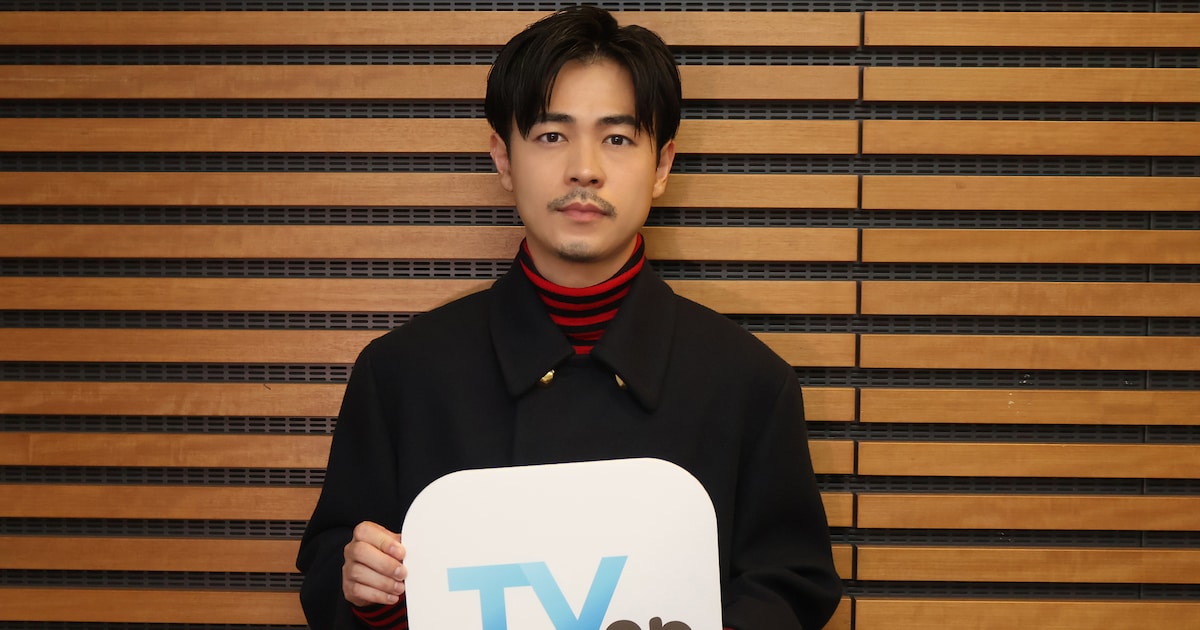
Ryo Narita Calls Hana Sugisaki the “Strongest” Co-Star in New Drama
If you’ve ever binge-watched Japanese dramas and found yourself captivated by the raw emotion and subtle storytelling, you’re in for a treat. A recent interview with actor Ryo Narita caught my eye—he described his co-star Hana Sugisaki as the 最強 (saikyou, “strongest”) partner he’s ever worked with. This heartfelt praise comes from the set of their latest project, 冬のなんかさ、春のなんかね (Fuyu no Nanka sa, Haru no Nanka ne), which roughly translates to “Something Like Winter, Something Like Spring.” Airing on Nippon TV, this drama is already generating buzz for its emotional depth. Let’s dive into the story, the actors’ unique bond, and how you can use this as a window to learn authentic Japanese the way it’s spoken in Japan.
A Story of Emotional Transition
At the heart of 冬のなんかさ、春のなんかね (Fuyu no Nanka sa, Haru no Nanka ne) is Fumika Tsuchida, a 27-year-old novelist played by Hana Sugisaki. Working part-time at a vintage clothing store, Fumika grapples with past romantic wounds that make her hesitant to open up. The drama beautifully captures her 葛藤 (kattou, “internal struggle”) as she reflects on when she last said “I love you” with true sincerity. It’s a quiet, relatable journey that many of us can connect with—those moments of questioning our relationships and ourselves.
Ryo Narita plays Yukio Saeki, Fumika’s gentle 恋人 (koibito, “boyfriend”), whom he describes as “a man as soft as snow.” Under the meticulous direction of Rikiya Imaizumi, Narita learned to strip away overacting—even a simple うん (un, “yeah”) had to be delivered with purpose. This attention to detail during 撮影 (satsuei, “filming”) shows how Japanese dramas prioritize authenticity in every moment.
Narita and Sugisaki: A Powerful Duo
If you’re familiar with Japanese TV, you might recognize Narita and Sugisaki from their roles as a married couple in the 2020-2021 morning drama おちょやん (Ochoyan). Narita shared that as 共演者 (kyouen-sha, “co-stars”), they’ve spent more time acting together than interacting off-set, creating an instinctive understanding on set. Yet, they’re still comfortable enough to give honest feedback. For Narita, Sugisaki holds the “strongest position” as a partner—a testament to their chemistry and trust.
Their shared history with director Imaizumi also brings a unique 空気感 (kuuki-kan, “atmosphere” or “vibe”) to the production. Narita described this balance of familiarity and subtle tension as an actor’s dream, making every scene both challenging and rewarding.
Behind the Scenes with Imaizumi’s Team
Narita gave us a peek into the unique world of Imaizumi’s team, which includes other talented directors like Atsuhiro Yamashita and Takuji Yamada. Despite their individual styles, everything ultimately becomes “Imaizumi’s work.” Even when the cameras aren’t rolling, there’s a distinct 今泉組の空気 (Imaizumi-gumi no kuuki, “Imaizumi team’s vibe”) that shapes the project. Narita hopes viewers who feel the 生きづらさ (ikizurasa, “difficulty in living”) or struggle with life’s challenges will find a moment in the drama—perhaps 誰かの一言 (dareka no hitokoto, “someone’s words”)—that helps them affirm themselves.
Cultural Context: The Poetic Title and Drama Tradition
For learners new to Japanese dramas, the title 冬のなんかさ、春のなんかね (Fuyu no Nanka sa, Haru no Nanka ne) might seem intriguingly vague. The word なんか (nanka, “something like” or “kinda”) is a casual expression often used in everyday speech to soften a statement or show hesitation. Combined with the seasonal imagery of winter and spring, it reflects the drama’s themes of emotional transition and ambiguity—mirroring Fumika’s inner journey.
Morning dramas like おちょやん (Ochoyan) are also a cultural cornerstone in Japan, often airing on NHK and tracing a female protagonist’s life through personal or historical challenges. Narita and Sugisaki’s reunion in this modern, introspective series carries extra weight because of their shared history in such a significant format. Understanding these traditions helps you appreciate the depth of Japanese storytelling beyond just the plot.
Learn Japanese from This Article
Ready to pick up some authentic Japanese from this drama buzz? Here at “Japanese from Japan,” we believe in learning the way native speakers do—through real contexts and natural expressions. Let’s break down some key vocabulary and grammar you can use to talk about dramas, emotions, or even your own experiences.
Key Vocabulary
| Japanese | Romaji | Meaning |
|---|---|---|
| 最強 | saikyou | strongest, most powerful |
| 共演者 | kyouen-sha | co-star, fellow actor |
| 葛藤 | kattou | conflict, struggle (often internal) |
| 恋人 | koibito | lover, boyfriend/girlfriend |
| 空気感 | kuuki-kan | atmosphere, vibe |
| 撮影 | satsuei | filming, shooting (a movie/scene) |
| 生きづらさ | ikizurasa | difficulty in living, feeling of being burdened by life |
These words aren’t just for dramas—they’re part of everyday Japanese conversations. Try using 空気感 (kuuki-kan) to describe the “vibe” of a place or event, or 葛藤 (kattou) when talking about a personal dilemma.
Grammar Spotlight: 〜ている (Ongoing Action or State)
One grammar point you’ll hear constantly in Japanese dramas (and real life) is 〜ている (~teiru), used to describe ongoing actions or states. It’s like the English “-ing” form or a continuing condition.
- Structure: Verb (て-form) + いる
- Examples:
- ドラマを見ている。 (Dorama o miteiru.) - “I’m watching a drama.”
- 葛藤している。 (Kattou shiteiru.) - “I’m struggling (internally).”
- 恋人が待っている。 (Koibito ga matteiru.) - “My boyfriend/girlfriend is waiting.”
This form is perfect for describing what’s happening right now or a state that persists, like Fumika’s ongoing emotional struggle in the drama. Native Japanese kids learn this early on to talk about their actions, and you can too!
Grammar Spotlight: 〜たらうれしい (Would Be Happy If…)
Another useful pattern is 〜たらうれしい (~tara ureshii), which means “I’d be happy if…” It’s a polite way to express a hope or wish for something to happen.
- Structure: Verb (たら-form) + うれしい
- Examples:
- ドラマを見たらうれしい。 (Dorama o mitara ureshii.) - “I’d be happy if you watched the drama.”
- 一緒に話したらうれしい。 (Issho ni hanashitara ureshii.) - “I’d be happy if we talked together.”
Narita himself expressed a hope for viewers to find meaning in the drama. You can use this pattern to share your own wishes in a gentle, natural way—perfect for building connections in Japanese.
Continue Learning
Want to dive deeper into Japanese grammar and expressions? Check out these lessons from “Japanese from Japan” to build on what you’ve learned today:
- Verb Basics: Harnessing the Dictionary Form: Want to understand the verb forms used here? Check out Verb Basics: Harnessing the Dictionary Form.
- Time and Dates: Tense-Free Expressions: Want to learn more about time? Check out our lesson on Time and Dates: Tense-Free Expressions.
- Ni, De, and E: Mapping Directions and Locations: Want to learn more about に? Check out our lesson on Ni, De, and E: Mapping Directions and Locations.
Learning Japanese isn’t just about memorizing words—it’s about understanding the culture and context behind them. Keep exploring with us, and you’ll be speaking like a native in no time.
これからもよろしくお願いします。 Kore kara mo yoroshiku onegaishimasu.