
Mori Hanae Drama: A Glimpse into Japan’s Fashion Icon on TV Asahi
If you’ve ever been captivated by the elegance of Japanese fashion or the stories of trailblazers who shaped modern Japan, then mark your calendar for March 21, 2026. A special drama, "Mori Hanae Butterfly beyond," is set to air on TV Asahi, bringing to life the inspiring journey of 森英恵 (Mori Hanae), one of Japan’s most iconic fashion designers. This production, celebrating her 100th birth anniversary, offers not just a peek into her glamorous world but also a chance to learn authentic Japanese language and culture as it’s lived and taught in Japan. Ready to dive into her story and pick up some useful expressions along the way? Let’s get started!
The Inspiring Story of Mori Hanae
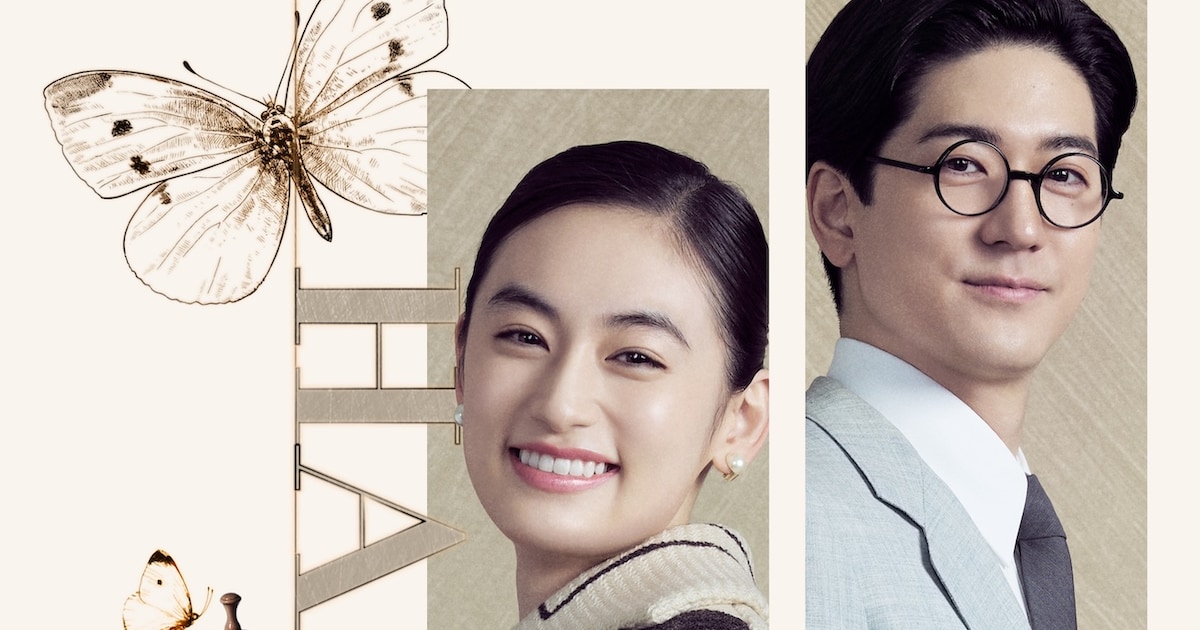
"Mori Hanae Butterfly beyond" isn’t just another drama; it’s a heartfelt tribute to a woman who broke barriers in the global fashion scene. Known as "Madame Butterfly" for her signature butterfly motif, Mori Hanae’s life from ages 17 to 39 is portrayed by the talented 八木莉可子 (Yagi Rikako), while her supportive husband, 賢 (Ken), is brought to life by 中島裕翔 (Nakajima Yuto), a popular actor and member of the idol group Hey! Say! JUMP. The drama traces her lesser-known struggles and triumphs, showing her 奮闘 (funtou - hard effort) to become a haute couture designer in Paris while balancing personal challenges in post-war Japan.
What makes this story so compelling is the 裏側 (uragawa - behind the scenes) look at her life. It’s not just about the 華やか (hanayaka - glamorous) runway shows but also the quiet, steadfast support of her husband, who stood like the 縁の下 (en no shita - behind the scenes, literally "under the floor") force in her success. Nakajima himself reflected on the script and felt the raw バイタリティー (baitariti- - vitality) of the Showa era, a time of rebuilding and fearless creativity in Japan.
A Dynamic On-Screen Partnership
This drama marks the first collaboration between Yagi Rikako and Nakajima Yuto, and their chemistry is already sparking excitement. Nakajima praised Yagi’s 凛とした (rin to shita - dignified, graceful) presence, which perfectly captures Mori Hanae’s charm, while Yagi appreciated Nakajima’s warmth on set, making their portrayal of a close-knit couple feel authentic. Their period costumes, designed by renowned costume designer 宮本まさ江 (Miyamoto Masae), reflect the evolving styles of the Showa era and Mori’s own influence on fashion. Nakajima encourages viewers to notice how these details mirror the changing times—a subtle nod to Mori’s legacy.
Yagi also spoke of the couple’s partnership using the phrase 二人三脚 (nininsankyaku - working together as a team), highlighting how Ken’s quiet strength helped Hanae soar. This dynamic, paired with the affectionate 愛称 (aishou - nickname) "Madame Butterfly," adds depth to their story, making it a must-watch for fans of Japanese entertainment and history alike.
Cultural Context: The Showa Era and Mori’s Legacy
To truly appreciate this drama, it helps to understand the backdrop of the 昭和時代 (Showa jidai - Showa era, 1926-1989), a period of immense change in Japan. After World War II, the country was rebuilding, and societal norms often limited women’s independence. Mori Hanae’s rise as a female designer, supported by a husband who championed her dreams, was revolutionary. Her nickname, "Madame Butterfly," isn’t just about her designs; it symbolizes her transformation and ability to break free from cultural constraints, much like a butterfly emerging from its cocoon.
The Showa era’s energy, as Nakajima described, was a blend of tradition and innovation—a time often romanticized in Japanese media. For older audiences, this drama might evoke nostalgia; for younger viewers and international fans, it’s a window into Japan’s past. The concept of 二人三脚 (nininsankyaku), which Yagi mentioned, reflects a core Japanese value of mutual support, showing how teamwork underpinned Mori’s success. Understanding these cultural nuances will deepen your connection to the characters and their world.
Learn Japanese from This Article
Inspired by Mori Hanae’s story? Let’s dive into some authentic Japanese you can learn from this drama and its themes. Here, we’ve curated vocabulary, grammar, and expressions that capture the essence of the narrative—straight from the way Japanese is taught in Japan, not just textbooks.
Key Vocabulary
| Japanese | Romaji | Meaning |
|---|---|---|
| 華やか | hanayaka | gorgeous, glamorous, colorful |
| 裏側 | uragawa | behind the scenes, other side |
| 奮闘 | funtou | struggle, hard effort |
| バイタリティー | baitariti- | vitality, energy |
| 縁の下 | en no shita | under the floor, behind the scenes (idiomatic) |
| 凛とした | rin to shita | dignified, graceful |
| 愛称 | aishou | nickname, affectionate name |
These words aren’t just useful for understanding dramas; you’ll hear them in everyday conversations in Japan. For instance, describing someone as 凛とした (rin to shita) is a beautiful compliment, often used for someone with poise and strength—much like Mori Hanae herself.
Grammar Spotlight: 〜なと思いました and 〜ながら
Let’s break down two grammar patterns that can help you express reflections and simultaneous actions, just like the actors did when sharing their thoughts on the drama.
〜なと思いました (~na to omoimashita) - I thought that... (polite reflection) This structure is used to politely share an opinion or realization, often reflecting on a feeling or impression. It’s perfect for discussing personal insights, much like Nakajima did about the Showa era. Structure: [Adjective/Verb in plain form] + な + と思いました Examples:
- 昭和時代のバイタリティーがすごいなと思いました。 (Showa jidai no baitariti- ga sugoi na to omoimashita.) I thought that the vitality of the Showa era was amazing.
- 八木さんの演技が凛としているなと思いました。 (Yagi-san no engi ga rin to shite iru na to omoimashita.) I thought that Yagi-san’s acting was dignified.
- 森英恵さんの人生が華やかだなと思いました。 (Mori Hanae-san no jinsei ga hanayaka da na to omoimashita.) I thought that Mori Hanae’s life was glamorous.
〜ながら (~nagara) - while, although (simultaneous actions or contrast) This pattern describes doing two things at once or contrasts two ideas. It’s useful for talking about balancing roles, like how Mori balanced her career and personal life. Structure: [Verb stem] + ながら + [second action/contrast] Examples:
- 仕事しながら家族を支えました。 (Shigoto shinagara kazoku o sasaemashita.) I supported my family while working.
- 緊張しながらも笑顔を見せました。 (Kincho shinagara mo egao o misemashita.) Although nervous, I showed a smile.
- ドラマを見ながら日本語を勉強します。 (Dorama o minagara nihongo o benkyou shimasu.) I study Japanese while watching dramas.
These patterns are incredibly practical for expressing complex thoughts or multitasking—try them out in your next conversation!
Useful Expression: 二人三脚 (nininsankyaku)
The phrase 二人三脚 (nininsankyaku - literally "two people, three legs") is an idiom meaning to work together as a team, much like in a three-legged race. Yagi used it to describe Mori and Ken’s partnership, and it’s a beautiful way to talk about collaboration in Japanese culture. You might use it like this:
- 私たちは二人三脚で夢を追いかけています。 (Watashitachi wa nininsankyaku de yume o oikakete imasu.) We’re chasing our dreams together as a team.
Continue Learning
Want to build on what you’ve learned here? Check out these lessons from "Japanese from Japan" to deepen your skills:
- Ni, De, and E: Mapping Directions and Locations: Ready to dive deeper? Our lesson on Ni, De, and E: Mapping Directions and Locations will help you master these concepts.
- Wa vs. Ga: Emphasizing Importance in Sentences: Curious about the Japanese used here? Our Wa vs. Ga: Emphasizing Importance in Sentences lesson covers this in depth.
- Vocabulary Through Kanji Compounds: Lego-Like Word Building: Working on your reading skills? Our Vocabulary Through Kanji Compounds: Lego-Like Word Building lesson is a great next step.
Learning Japanese isn’t just about words and grammar; it’s about connecting with stories like Mori Hanae’s. Keep exploring, and you’ll find yourself speaking and thinking like a native in no time!
これからもよろしくお願いします。 Kore kara mo yoroshiku onegaishimasu.