
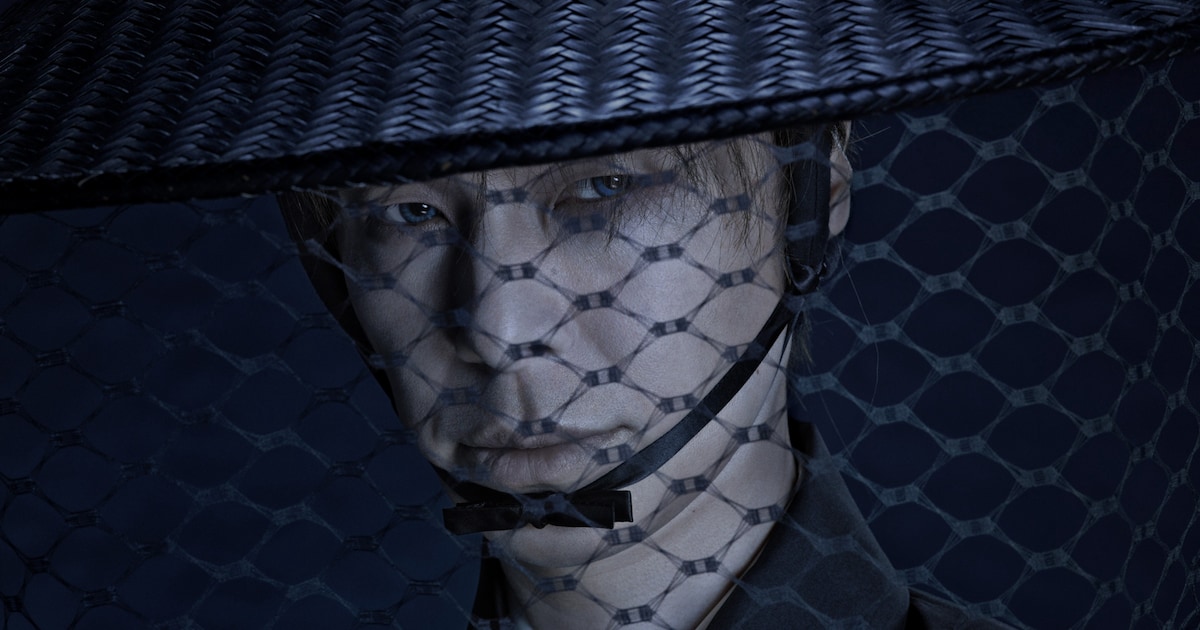
Hasegawa Hiroki Stars as Nemuri Kyōshirō in NHK Historical Drama
If you’ve ever been captivated by the world of samurai and Edo-period intrigue, here’s some exciting news straight from Japan! On January 16, 2026, it was announced that actor Hasegawa Hiroki will take on the legendary role of 眠狂四郎 (Nemuri Kyōshirō), the enigmatic masterless samurai, in a special historical drama airing on NHK in late March. This isn’t just another TV show—it’s a deep dive into the heart of 時代劇 (jidaigeki), Japan’s beloved genre of historical dramas. For Japanese learners like you, this is a perfect chance to explore authentic language and cultural storytelling, just as it’s experienced in Japan. Let’s unpack this thrilling announcement and see what you can learn from it!
A Legendary Samurai Returns to the Screen
Hasegawa Hiroki steps into the iconic role of 眠狂四郎 (Nemuri Kyōshirō), a complex rōnin (masterless samurai) created by author Shibata Renzaburō. Set in the late Edo period during the Bunsei era under Shogun Tokugawa Ienari, this drama plunges viewers into a world of political power struggles and corruption. Kyōshirō, armed with his signature blade 無想正宗 (Musō Masamune), navigates secret missions while facing deadly foes—assassins, hidden Christians known as 隠れ切支丹 (kakure kirishitan), mysterious thieves, and master swordsmen obsessed with defeating him.
One gripping moment in the story shows Kyōshirō confronting 茅場静香 (Kaya Shizuka), the sister of an assassin he killed, returning a rosary as a keepsake. This encounter pulls him deeper into themes of faith, loyalty, and betrayal. As enemies like hired warriors from a powerful merchant and a skilled swordsman close in, Kyōshirō’s journey becomes a test of both his blade and his morals.
Hasegawa shared his passion for the role, saying, “I’ve inherited the role of Nemuri Kyōshirō, played by so many legendary actors. Should I innovate or preserve tradition? I wrestled with this while approaching the character. With all my emotions poured in, I swung my blade with the 円月殺法 (Engetsu Sappō), the signature circular moon technique, to bring you a Kyōshirō for the Reiwa era. Please watch it!” This dedication promises a fresh yet respectful take on a classic tale.
Behind the Scenes of Japanese Drama Craftsmanship
This NHK special isn’t just a story—it’s a masterpiece of Japanese production. The collaboration between NHK, Japan’s public broadcaster, and Tōei Kyoto Studios, a historic center for filming 時代劇 (jidaigeki), guarantees authenticity in every detail. Filmed in Kyoto, the heart of traditional Japan, the drama recreates the Edo period with stunning costumes and sets. For learners, watching this 放送 (hōsō, broadcast) offers a window into how Japanese media blends modern storytelling with cultural reverence, preserving history in a way that feels alive and relevant.
Cultural Context: Understanding Jidaigeki and Edo Japan
If you’re new to 時代劇 (jidaigeki), think of it as Japan’s answer to Western historical epics or period dramas. These stories often center on samurai, political intrigue, and moral dilemmas, reflecting core values like loyalty (忠義, chūgi) and honor (名誉, meiyo) that defined Edo-period society. Nemuri Kyōshirō stands out as a darker, more cynical samurai—not a noble hero, but a solitary figure caught in a corrupt world.
Another fascinating layer is the reference to 隠れ切支丹 (kakure kirishitan), or hidden Christians. During the Edo period, Christianity was banned, and believers faced severe persecution, often practicing their faith in secret. Objects like rosaries became symbols of resistance, hidden from authorities. This subplot in the drama highlights the clash between personal beliefs and societal rules—a theme that adds emotional depth to the story.
By understanding terms like 浪人 (rōnin, masterless samurai) or historical roles like 老中 (rōjū, senior councilors), you’re not just learning words—you’re stepping into a hierarchical world where status and duty shaped every interaction. This is Japanese learning at its most authentic, connecting language to the lived experience of the past.
Learn Japanese from This Article
Ready to pick up some useful Japanese from this exciting news? Here, we’ve gathered key vocabulary and grammar points to help you speak and understand like a native. These words and patterns are straight from the world of historical dramas and everyday conversation in Japan.
Key Vocabulary
| Japanese | Romaji | Meaning |
|---|---|---|
| 時代劇 | jidaigeki | historical drama |
| 主演 | shuen | leading role, starring role |
| 浪人 | rōnin | masterless samurai |
| 刺客 | shikaku | assassin |
| 放送 | hōsō | broadcast |
| 豪商 | gōshō | wealthy merchant |
| 剣豪 | kengō | master swordsman |
These words aren’t just for drama fans—they pop up in modern Japanese media, history discussions, and even casual chats about TV. For example, you might hear 主演 (shuen) when talking about your favorite actor’s latest role!
Grammar Spotlight: Humble and Simultaneous Actions
Let’s dive into two grammar patterns that will level up your Japanese, reflecting the polite and nuanced way native speakers communicate.
〜させていただく (Humble Expression for Doing Something)
This structure is a humble way to say you’re doing something, often implying gratitude or permission. It’s formed by taking the stem form of a verb, adding させ, and then ていただく.
- Structure: Verb (stem) + させていただく
- Example 1: 見させていただきます。 (Mi-sasete itadakimasu.) - I humbly watch / I’m allowed to watch.
- Example 2: 参加させていただきます。 (Sanka-sasete itadakimasu.) - I humbly participate / I’m grateful to join.
- When to use: This is perfect for formal situations, like thanking someone for letting you join an event or watch something special (like this NHK drama!). It shows respect and humility, a key part of Japanese communication.
〜ながら (While Doing Something, Simultaneously)
This pattern lets you describe two actions happening at the same time. Attach ながら to the stem form of the first verb, then add the second action.
- Structure: Verb (stem) + ながら + Second Action
- Example 1: ドラマを見ながら勉強します。 (Dorama o mi-nagara benkyō shimasu.) - I study while watching a drama.
- Example 2: 歩きながら話します。 (Aruki-nagara hanashimasu.) - I talk while walking.
- When to use: Use this in casual or semi-formal contexts to show multitasking. Imagine watching Kyōshirō’s epic battles while jotting down new vocab!
Useful Expression
Here’s a phrase inspired by Hasegawa’s dedication to his role: 心を込めて (kokoro o komete), meaning “with all my heart” or “putting my heart into it.” You can use it when describing effort or emotion, like 心を込めて演じます。 (Kokoro o komete enjimasu.) - I perform with all my heart.
Continue Learning
Want to build on what you’ve learned here? Check out these lessons from “Japanese from Japan” to deepen your skills:
- O and Wo: Marking Objects Without Prepositions: Want to learn more about を? Check out our lesson on O and Wo: Marking Objects Without Prepositions.
- Ni, De, and E: Mapping Directions and Locations: Ready to dive deeper? Our lesson on Ni, De, and E: Mapping Directions and Locations will help you master these concepts.
- Greetings and Self-Introductions: Authentic Entry Phrases: Curious about the Japanese used here? Our Greetings and Self-Introductions: Authentic Entry Phrases lesson covers this in depth.
Learning Japanese isn’t just about words—it’s about connecting to stories, history, and people. Keep exploring with us, and you’ll find yourself speaking and thinking like a native in no time.
これからもよろしくお願いします。 Kore kara mo yoroshiku onegaishimasu.