

Unpack the 2026 CoCo壱 Fukubukuro: A New Year’s Luck Test!
Imagine stepping into a lively カレーハウスCoCo壱番屋 (Karee Hausu Koko Ichiban'ya), the iconic Japanese curry chain, right as the New Year’s excitement kicks in. On December 26, 2025, eager customers lined up across Japan to snag the 2026 福袋 (fukubukuro), or "lucky bag," priced at just 2,500 yen. If you’ve ever wondered how everyday traditions in Japan blend culture, commerce, and a dash of optimism, this phenomenon is your perfect entry point. Let’s dive into what’s inside this year’s bag, why it matters, and how it can help you learn authentic Japanese straight from the source.
What’s Inside the 2026 CoCo壱 Fukubukuro?
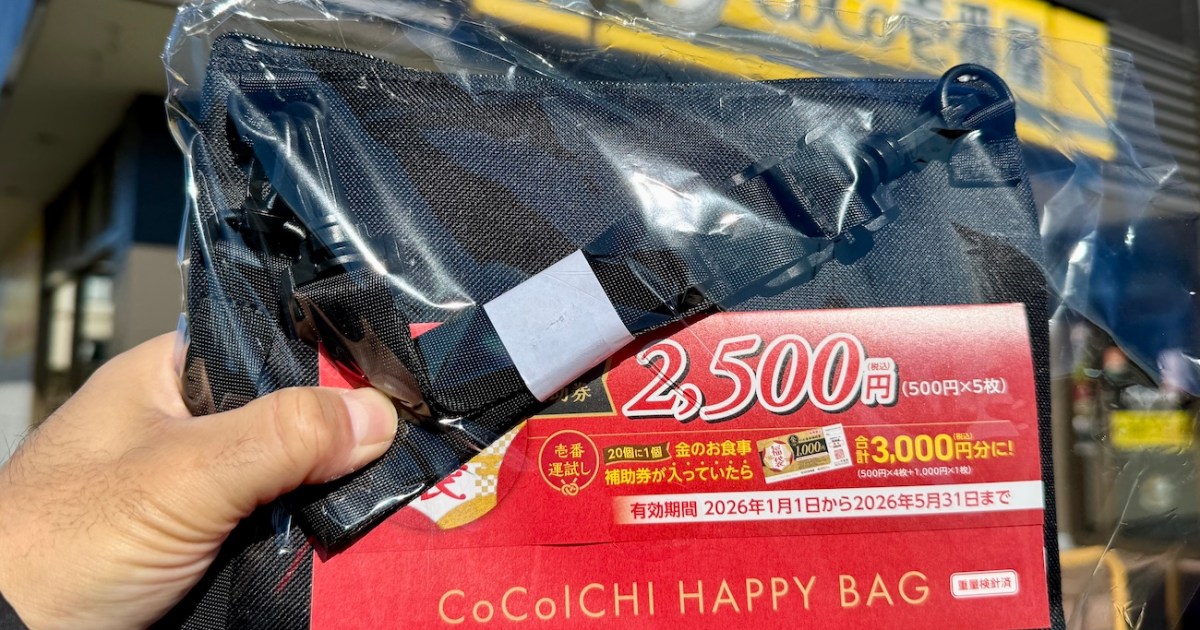
Straight from CoCo壱’s announcement, here’s what you’ll find when you open one of these coveted 福袋 (fukubukuro):
- お食事補助券 (oshokuji hojoken) - Dining vouchers worth 2,500 yen (500 yen x 5 tickets), so you’re already getting your money’s worth.
- An original sash bag, perfect as a small crossbody for daily errands.
- An original coin and card case for a touch of CoCo壱 flair.
- A retort-pack pork curry, or レトルト (retoruto), for an instant taste of CoCo壱 at home.
But here’s the real thrill: 1 in 20 bags hides a golden ticket—a special "gold" dining voucher set worth 3,000 yen (500 yen x 4 plus a 1,000 yen ticket). It’s no surprise that snagging a 福袋 is seen as a 運試し (un-dameshi), or "test of luck," to start the year. Even if you don’t hit the jackpot, the guaranteed value and the fun of the experience make it worthwhile. It’s less about the prize and more about joining in on a beloved New Year’s ritual.
A Shift in Timing: Act Fast or Miss Out
Unlike past years, the 2026 福袋 dropped exclusively on December 26, 2025, with no restock planned after the New Year. It’s strictly 早い者勝ち (hayai mono gachi), meaning "first come, first served." By now, some stores might already be 完売 (kanbai), or "sold out," with no additional 在庫 (zaiko), or "stock," left. This urgency isn’t just about curry—it reflects a deeper Japanese value of punctuality and seizing seasonal moments. If you’re in Japan or planning a trip, keep an eye out for any lingering 福袋. Those vouchers, valid from January to May 2026 (one per transaction), could be your ticket to a tasty cultural experience.
Cultural Context: The Magic of Fukubukuro and New Year’s Luck
If you’re new to Japanese customs, 福袋 (fukubukuro) are far more than just mystery bags—they’re a New Year’s tradition rooted in the Edo period (1603–1868). Back then, merchants bundled unsold goods into “lucky bags” to clear inventory, and over time, this became a symbol of renewal and good fortune. Today, from high-end department stores to casual chains like CoCo壱, almost every retailer offers 福袋 with guaranteed value and sometimes surprise bonuses. Buying one is like making a New Year’s resolution in the West—a way to start fresh with a bit of optimism.
CoCo壱’s 福袋, with its 1-in-20 golden voucher, taps directly into the spirit of 運試し (un-dameshi), testing your luck as you step into 2026. But it’s also practical. With rising costs and murmurs that “CoCo壱 is pricey,” the guaranteed 2,500 yen in vouchers feels like a deal. It’s a clever way for the brand to reconnect with customers who might have drifted away. For you as a learner, stories like this aren’t just news—they’re a window into how language and culture weave together. Words like 福袋 aren’t just vocab; they carry the rhythm of Japan’s seasonal life.
Learn Japanese from This Article
Let’s turn this cultural deep dive into a learning opportunity. Here, you’ll find key vocabulary, grammar patterns, and useful expressions pulled straight from the CoCo壱 福袋 story. This is how Japanese kids learn—by connecting words and structures to real-life contexts—so let’s do the same.
Key Vocabulary
| Japanese | Romaji | Meaning |
|---|---|---|
| 福袋 | fukubukuro | lucky bag, mystery bag sold during New Year |
| お食事補助券 | oshokuji hojoken | dining voucher, meal subsidy ticket |
| 運試し | un-dameshi | test of luck, trying one's luck |
| 早い者勝ち | hayai mono gachi | first come, first served |
| 在庫 | zaiko | stock, inventory |
| レトルト | retoruto | retort (pack), pre-cooked packaged food |
| 完売 | kanbai | sold out |
Grammar Spotlight: 〜ている (Ongoing Action/State)
The pattern 〜ている (~te iru) is used to describe ongoing actions or states in Japanese, much like the present continuous tense in English (“is doing”). It’s formed by taking the て-form of a verb and adding いる.
- Structure: Verb (て-form) + いる
Examples:
- 店で並んでいる。(mise de narande iru.) - I’m lining up at the store.
- 福袋を買っている。(fukubukuro o katte iru.) - I’m buying a lucky bag.
- 運試しをしている。(un-dameshi o shite iru.) - I’m testing my luck.
When to Use: Use 〜ている when describing something happening right now or a current state resulting from an action. In the context of the CoCo壱 story, you might hear someone say they’re lining up for a 福袋 using this form. It’s a natural way to talk about real-time actions in Japan.
Grammar Spotlight: 〜たら (Conditional “If/When”)
The pattern 〜たら (~tara) is a conditional form meaning “if” or “when,” often used to describe a sequence of events or hypothetical situations. It’s formed by taking the past tense of a verb (た-form) and adding ら.
- Structure: Verb (た-form) + ら
Examples:
- 福袋を買ったら、すぐ開ける。(fukubukuro o kattara, sugu akeru.) - If I buy a lucky bag, I’ll open it right away.
- 当たりが出たら、友達に自慢する。(atari ga detara, tomodachi ni jiman suru.) - If I get the winning ticket, I’ll brag to my friends.
- 完売になったら、もう買えない。(kanbai ni nattara, mou kaenai.) - If it’s sold out, I can’t buy it anymore.
When to Use: Use 〜たら to talk about what will happen after a condition is met. In the 福袋 rush, it’s perfect for expressing hopes or plans, like what you’ll do if you snag a bag or if you miss out due to 完売 (kanbai).
Useful Expression
- 早い者勝ちだよ! (hayai mono gachi da yo!) - It’s first come, first served!
- Use this to urge someone to hurry up for limited opportunities like 福袋. The casual だよ adds a friendly tone, something you’d hear among friends or family in Japan.
Continue Learning
Ready to build on what you’ve learned from this 福袋 story? Check out these lessons to deepen your Japanese skills the authentic way:
- Basic Vocabulary Building: Embracing Words Without Latin Ties: To understand more about vocabulary, explore our Basic Vocabulary Building: Embracing Words Without Latin Ties lesson.
- Greetings and Self-Introductions: Authentic Entry Phrases: Ready to dive deeper? Our lesson on Greetings and Self-Introductions: Authentic Entry Phrases will help you master these concepts.
- Wa vs. Ga: Emphasizing Importance in Sentences: To understand more about は, explore our Wa vs. Ga: Emphasizing Importance in Sentences lesson.
We’re thrilled to guide you through Japanese as it’s lived and spoken in Japan. これからもよろしくお願いします。 Kore kara mo yoroshiku onegaishimasu.