

Weather Challenges for Japan's Year-End Holiday Break
As the year winds down, if you've ever dreamed of experiencing Japan's unique holiday season, now's the time to pay attention. The 年末年始 (nenmatsu nenshi), or year-end and New Year holiday period, is just around the corner, and with it comes a mix of celebration and some tricky weather conditions. From December 27th to January 4th, many Japanese people will enjoy up to nine consecutive days off—a rare and cherished break. But as recent weather updates reveal, this extended holiday might not be all smooth sailing. Let’s dive into what’s happening and how you can learn authentic Japanese while exploring this seasonal moment.
Holiday Weather Forecast: Snow, Chill, and More
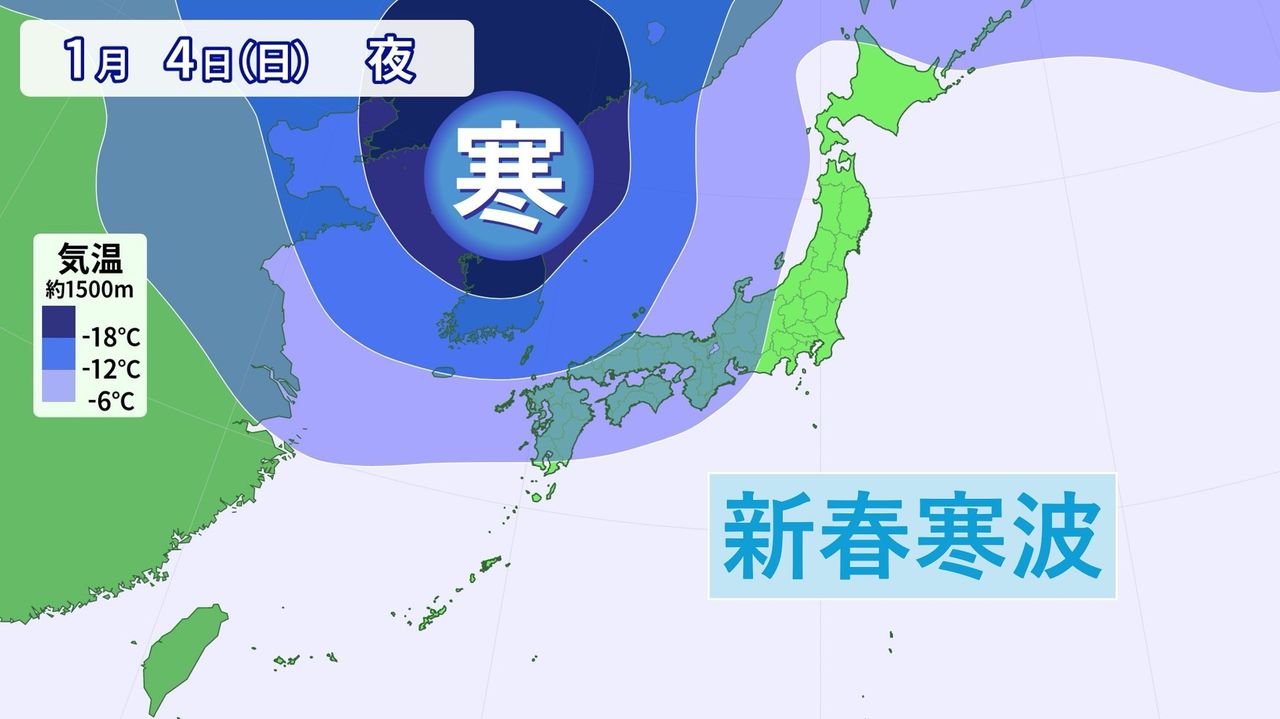
Starting today, December 27th, areas north of Hokuriku are already blanketed in snow, with icy 気温 (kion, temperature) gripping the nation. If you're picturing a cozy holiday, brace yourself—there’s more to come. While a slight warm-up is expected from December 28th through New Year’s Eve, with temperatures higher than average in many regions, the new year flips the script. Around January 3rd, a powerful 新春寒波 (shinshun kanpa, New Year’s cold wave) is predicted to roll in from the west, bringing harsh winter vibes. For those planning their Uターン (yuu-taan, return trip) after visiting family, or heading back to work on January 5th, beware: the Japan Sea side could see 大雪 (ooyuki, heavy snow) and even 猛ふぶき (mou fubuki, fierce blizzard). Travel disruptions seem likely, and as we’ll explore later, there’s a handy Japanese expression to describe this kind of risk.
Cultural Context: The Heart of 年末年始
The 年末年始 (nenmatsu nenshi) isn’t just a holiday—it’s a cultural cornerstone in Japan. This period is about transition, a time to reflect on the past and prepare for what’s ahead. Many Japanese people return to their hometowns for family reunions, engage in 大掃除 (oosouji, big cleaning) to symbolically sweep away the old year’s troubles, and visit shrines for 初詣 (hatsumoude), the first shrine visit of the new year. Weather plays a huge role during this time, often impacting the mass travel known as Uターン (yuu-taan), where people return to cities after rural visits. Understanding these traditions and the challenges of a 寒波 (kanpa, cold wave) gives you a window into the rhythm of Japanese life, where nature and culture are deeply connected.
Learn Japanese from This Article
If you’ve been following along, you’ve already noticed some key terms and expressions tied to this holiday season. Let’s break them down so you can start using them yourself, just like native speakers do in Japan.
Essential Vocabulary
Here are some must-know words related to the year-end holiday and weather challenges:
| Japanese | Romaji | Meaning |
|---|---|---|
| 年末年始 | nenmatsu nenshi | year-end and New Year holiday period |
| 寒波 | kanpa | cold wave |
| 大雪 | ooyuki | heavy snow |
| 猛ふぶき | mou fubuki | fierce blizzard |
| Uターン | yuu-taan | U-turn; return trip (after visiting family) |
| 気温 | kion | temperature |
| 大掃除 | oosouji | big cleaning |
These words aren’t just vocabulary—they’re your gateway to understanding real conversations during this season. Imagine hearing someone warn about a 猛ふぶき (mou fubuki) on the news or chatting about their 大掃除 (oosouji) plans!
Grammar Spotlight: Expressing Risk and Likelihood
Let’s zoom in on two useful grammar patterns that pop up often when discussing weather forecasts or holiday plans in Japanese. These will help you sound natural and fluent.
〜おそれがある (osore ga aru): There is a risk/fear that...
This pattern is used to express concern or the possibility of something negative happening. It’s common in formal contexts like news reports.
- Structure: [Verb (dictionary form)] + おそれがある
- Example 1: 大雪になるおそれがあります。 (Ooyuki ni naru osore ga arimasu.) - There is a risk of heavy snow.
- Example 2: 交通が乱れるおそれがあります。 (Koutsuu ga midareru osore ga arimasu.) - There is a risk that traffic will be disrupted.
- When to use: Perfect for discussing potential problems, like weather disruptions during the Uターン (yuu-taan) rush. It shows caution and formality.
〜そう (sou): Seems/looks like; likely to
This pattern conveys something that appears likely based on observation or information. It’s less formal and great for everyday conversation.
- Structure: [Verb (stem form)] + そう OR [Adjective (drop い)] + そう
- Example 1: 雪が降りそうです。 (Yuki ga furisou desu.) - It looks like it will snow.
- Example 2: 寒そうです。 (Samasou desu.) - It seems cold.
- When to use: Use this when sharing predictions or impressions, like commenting on the 気温 (kion) or upcoming 寒波 (kanpa).
With these patterns, you’ll be able to talk about holiday weather challenges just like a local, whether you’re warning about a blizzard or guessing the forecast.
Continue Learning
Want to dive deeper into Japanese to navigate conversations about time, weather, or travel? Check out these lessons tailored to help you grow:
- Time and Dates: Tense-Free Expressions: To understand more about time, explore our Time and Dates: Tense-Free Expressions lesson.
- Wa vs. Ga: Emphasizing Importance in Sentences: To understand more about は, explore our Wa vs. Ga: Emphasizing Importance in Sentences lesson.
- Ni, De, and E: Mapping Directions and Locations: To understand more about に, explore our Ni, De, and E: Mapping Directions and Locations lesson.
These resources will help you build on what you’ve learned here and prepare for real-life situations in Japan.
これからもよろしくお願いします。 Kore kara mo yoroshiku onegaishimasu.