
Picture yourself wandering through a bustling Tokyo street market, where vendors banter with phrases that seem to dance with hidden meanings. One shouts something rhythmic and proverbial, drawing knowing smiles from passersby. That's the magic of ことわざ (kotowaza)—Japanese idiomatic expressions that weave history, philosophy, and everyday wisdom into compact, evocative sayings.
Too often, Western textbooks reduce these gems to awkward English matches, like forcing "it's raining cats and dogs" onto a Japanese equivalent that misses the cultural heartbeat. But ことわざ (kotowaza) spring from Japan's unique soil: samurai resilience, Zen reflections, and nature's rhythms. Embrace them on their own terms, and you'll unlock a deeper fluency that resonates with native speakers.
Japan's storytelling traditions, steeped in harmony and transience, shape these expressions far differently than the bold individualism in many Western idioms. Think of ancient folktales passed down through generations, embedding lessons in subtle metaphors. As you explore ことわざ (kotowaza), you'll not only expand your vocabulary but also think and speak more authentically in Japanese.
What Makes Kotowaza Unique?
ことわざ (kotowaza) capture profound insights in brief, memorable forms, offering moral nudges or keen observations on life. They differ sharply from English idioms, which might draw from historical oddities like naval punishments or folklore beasts. In Japanese, nature and philosophy dominate, mirroring a culture that prizes balance and subtlety.
Approach these sayings without hunting for one-to-one translations—that path leads to confusion. Instead, dive into their native context, where each reveals societal values like humility or endurance. This direct engagement empowers you to grasp Japanese thought patterns intuitively.
At your intermediate stage, shift from memorizing lists to understanding origins. You'll find ことわざ (kotowaza) become tools for genuine expression, not just vocabulary fillers.

Origins: From Ancient Wisdom to Everyday Speech
ことわざ (kotowaza) often stem from Japan's feudal past, blending Confucian ethics, Buddhist impermanence, and Shinto reverence for nature. Samurai tales inspired sayings on perseverance, while rural lore added earthy wisdom. Contrast this with Roman-derived Western proverbs that emphasize conquest and centrality, like "when in Rome."
Folk stories from the Edo era further enriched these expressions, encoding lessons on fate and diligence. Scholars highlight how they reflect collective harmony over solo triumphs, a hallmark of Japanese culture. Recognizing these roots helps you appreciate ことわざ (kotowaza) as living history, not translatable puzzles.
Forget asking for English equivalents; question what each reveals about Japanese perspectives. This mindset transforms your learning, making every proverb a bridge to cultural depth.
Key Examples and Their Cultural Insights
Let's unpack several ことわざ (kotowaza), focusing on kanji, romaji, imagery, and origins—without forced English parallels. Absorb their essence directly to build native intuition.
Start with 猿も木から落ちる (saru mo ki kara ochiru)—a reminder that even masters falter, drawn from nature's observations and Buddhist humility. It lightens moments of error, like consoling a friend after a blunder.
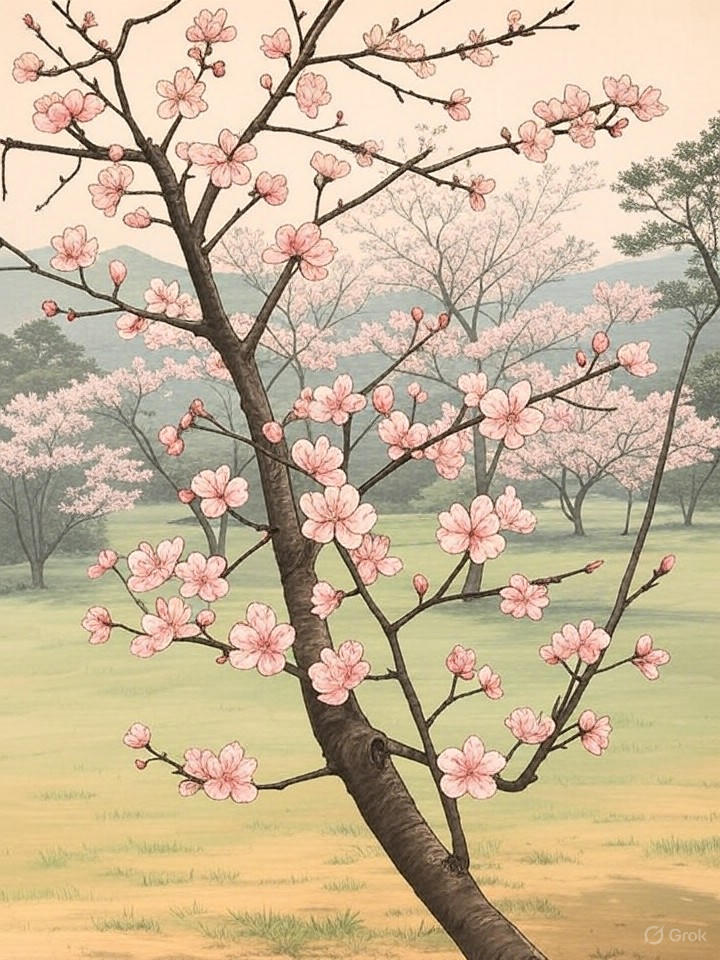
Next, 花より団子 (hana yori dango)—prioritizing substance over beauty, rooted in cherry blossom viewings and Edo-era pragmatism. Use it to express favoring practicality in choices.
Here's a table with additional examples:
| Kotowaza | Romaji | Literal Imagery | Cultural Origin and Insight |
|---|---|---|---|
| 七転び八起き (nanakorobi yaoki) | nanakorobi yaoki | Falling seven times, rising eight | Samurai resilience; promotes unyielding perseverance, echoing bushido spirit. |
| 井の中の蛙大海を知らず (i no naka no kawazu taikai o shirazu) | i no naka no kawazu taikai o shirazu | Frog in well unaware of ocean | Ancient tales warning of limited views; reflects Japan's historical insularity and curiosity. |
| 喉元過ぎれば熱さを忘れる (nodomoto sugireba atsusa o wasureru) | nodomoto sugireba atsusa o wasureru | Forgetting heat after swallowing | Buddhist transience; cautions against overlooking past aid. |
| 石の上にも三年 (ishi no ue ni mo sannen) | ishi no ue ni mo sannen | Three years upon a stone | Farming patience; values steadfastness for harmony. |
These expressions thrive on natural metaphors, aligning with Shinto traditions—unlike many Western idioms tied to human inventions or conflicts.
Using Kotowaza in Context for Natural Speech
Incorporate ことわざ (kotowaza) seamlessly into talks, letting them flow without explanations. This builds natural rhythm, especially at intermediate levels through scenario practice.
If a project flops, encourage with 七転び八起き (nanakorobi yaoki): 大丈夫、七転び八起きだよ。次に挑戦しよう。 (Daijōbu, nanakorobi yaoki da yo. Tsugi ni chōsen shiyō.)—It's fine, fall seven times rise eight. Let's challenge next time.
During a gift discussion, say 花より団子 (hana yori dango): 私は花より団子派だけど、あなたは? (Watashi wa hana yori dango-ha da kedo, anata wa?)—I'm dumplings over flowers type, how about you?
Journal or role-play to internalize them. Native use conveys shared wisdom fluidly, advancing you toward effortless fluency.
Note that ことわざ (kotowaza) sometimes contradict, much like English pairs on caution versus boldness—embracing life's nuances.
Conclusion
ことわざ (kotowaza) provide raw glimpses into Japanese values, stressing community and acceptance over individualism. Study them without translations to rewire your thinking in Japanese modes.
Pause in media or books to explore roots—feudal or natural? This active dive turns learning into cultural immersion.
We've delved into origins, examples, and applications, arming you to use these sayings with confidence. Seek more in folktales and modern contexts.
Until next time,
これからもよろしくお願いします。
Kore kara mo yoroshiku onegaishimasu