

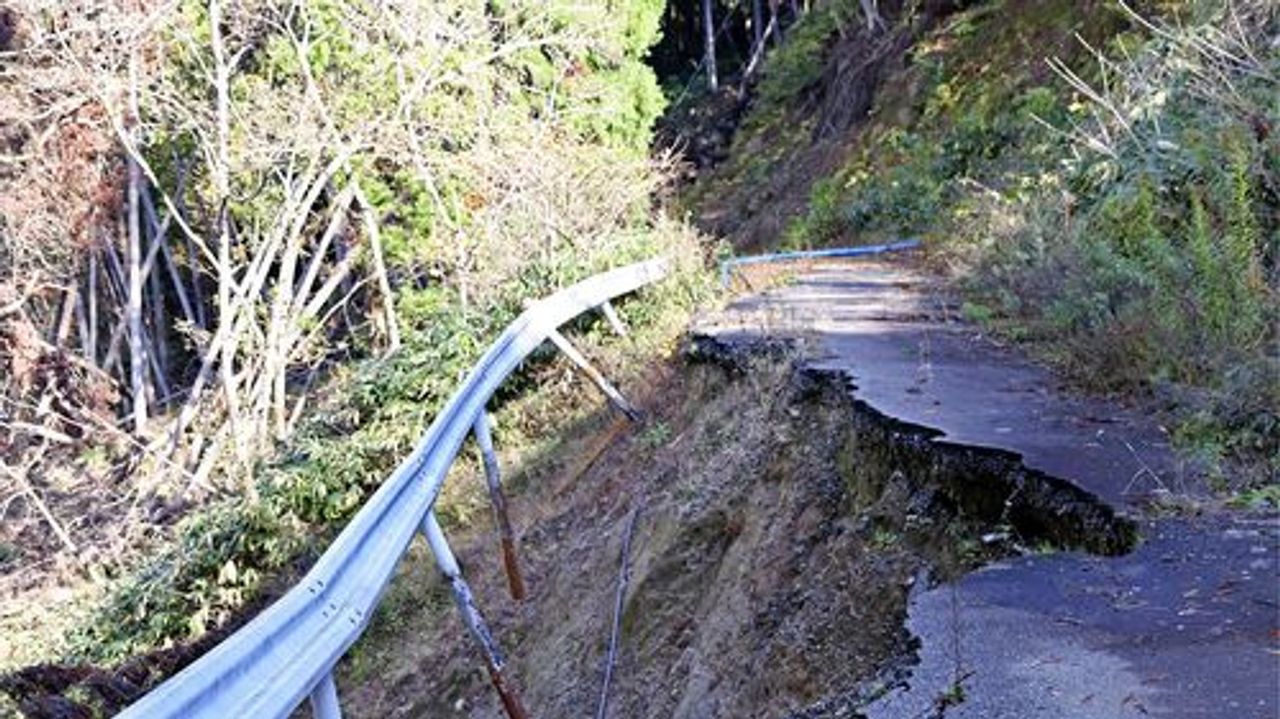
Japan's Isolated Communities: Lessons from the Noto Peninsula Earthquake
Imagine waking up to the ground trembling beneath you, only to realize your entire village is cut off from the rest of the world. This was the harsh reality for many during the 能登半島地震 (Noto Hantō Jishin), the Noto Peninsula Earthquake, on January 1st last year. If you’ve ever wondered how Japan, a nation so accustomed to natural disasters, grapples with such crises, this story will pull back the curtain on both the challenges and the cultural resilience that define the country. Let’s dive into the latest findings about isolated communities and what they teach us about the Japanese spirit—and the language that shapes it.
The Scale of Isolation Risk
A recent report by the Yomiuri Shimbun revealed a staggering truth: over 20,000 settlements across Japan are at risk of becoming isolated during a 災害 (saigai), meaning disaster or calamity. During the Noto Peninsula Earthquake, 49 areas experienced 孤立 (koritsu), or isolation, with a shocking 60% of them not even anticipated to face such a situation. This gap between expectation and reality—expressed in Japanese as ことがわかる (koto ga wakaru), "it became clear that"—has become a wake-up call for local governments.
Among these affected regions, or 集落 (shūraku), which means settlements or villages, many are rural and tucked away in mountainous terrain. Out of these communities—うち (uchi)—a significant portion lacked immediate access to aid. Now, efforts are underway to implement 対策 (taisaku), or countermeasures, such as 備蓄 (bichiku), stockpiling essential supplies, and launching 啓発 (keihatsu), awareness-raising campaigns, to prepare for future disasters like another 地震 (jishin), an earthquake.
Cultural Context
In Japan, the idea of community resilience isn’t just a modern concept—it’s woven into the cultural fabric, especially in rural areas where mutual support is a way of life. The term 孤立集落 (koritsu shūraku), or isolated settlements, carries more than logistical weight; it reflects a societal value of ensuring no one is left behind. Japan’s rugged geography and history of natural disasters, from earthquakes to typhoons, have shaped a collective mindset of preparedness and solidarity.
Events like the Noto Peninsula Earthquake underscore the importance of local initiatives. Towns and villages often take responsibility for their own safety nets, organizing evacuation drills and maintaining emergency supplies. This balance of modern challenges with traditional values of community care offers a window into the Japanese spirit—a spirit you’ll understand more deeply as you learn the language and culture the way it’s lived in Japan.
Learn Japanese from This Article
Let’s turn this real-world story into a learning opportunity. Here, you’ll find key vocabulary and grammar patterns straight from the context of disaster preparedness in Japan. These aren’t just textbook words—they’re terms you’d hear on the news or in conversations about safety.
Key Vocabulary
| Japanese | Romaji | Meaning |
|---|---|---|
| 災害 | saigai | disaster, calamity |
| 孤立 | koritsu | isolation, being cut off |
| 集落 | shūraku | settlement, village |
| 備蓄 | bichiku | stockpile, reserve |
| 啓発 | keihatsu | enlightenment, raising awareness |
| 対策 | taisaku | countermeasure, policy |
| 地震 | jishin | earthquake |
Grammar Spotlight
〜ことがわかる (koto ga wakaru): "It is understood that" or "It became clear that"
- This pattern is used to express realization or understanding of a fact or situation.
- Structure: [Plain form verb/noun + ことがわかる]
- Examples:
- 孤立する集落が多いことがわかる。 (Koritsu suru shūraku ga ōi koto ga wakaru.) - It became clear that there are many isolated settlements.
- 対策が必要なことがわかる。 (Taisaku ga hitsuyō na koto ga wakaru.) - It is understood that countermeasures are necessary.
- Use this when discussing discoveries or realizations, often in formal or news contexts.
〜うち (uchi): "Among" or "Out of"
- This pattern indicates a subset within a larger group or category.
- Structure: [Noun + のうち]
- Examples:
- 49の地域のうち、60%が予想外だった。 (Yonjūkyū no chiiki no uchi, rokujuppāsento ga yosōgai datta.) - Out of the 49 areas, 60% were unexpected.
- 集落のうち、多くが山間部にある。 (Shūraku no uchi, ōku ga sankanbu ni aru.) - Among the settlements, many are in mountainous areas.
- Use this to specify a portion or subgroup, often in statistical or descriptive contexts.
Useful Expression
- 災害に備える (saigai ni sonaeru) - "To prepare for a disaster"
- Example: 私たちは災害に備える必要があります。 (Watashitachi wa saigai ni sonaeru hitsuyō ga arimasu.) - We need to prepare for disasters.
- This phrase is practical for discussing readiness, a common topic in Japan given its natural environment.
Closing Thoughts
Learning Japanese isn’t just about memorizing words or grammar—it’s about connecting with the real-life stories and cultural values that shape the language. The resilience of Japan’s communities, especially in the face of events like the Noto Peninsula Earthquake, offers powerful lessons both linguistically and culturally. Keep exploring these stories with us, and you’ll find yourself understanding not just how to speak Japanese, but how to think and feel in Japanese, the way it’s lived every day in Japan.
これからもよろしくお願いします。 Kore kara mo yoroshiku onegaishimasu.