
Celebrating 55 Years of Manga Legend Mitsuru Adachi at Tokyo Exhibition
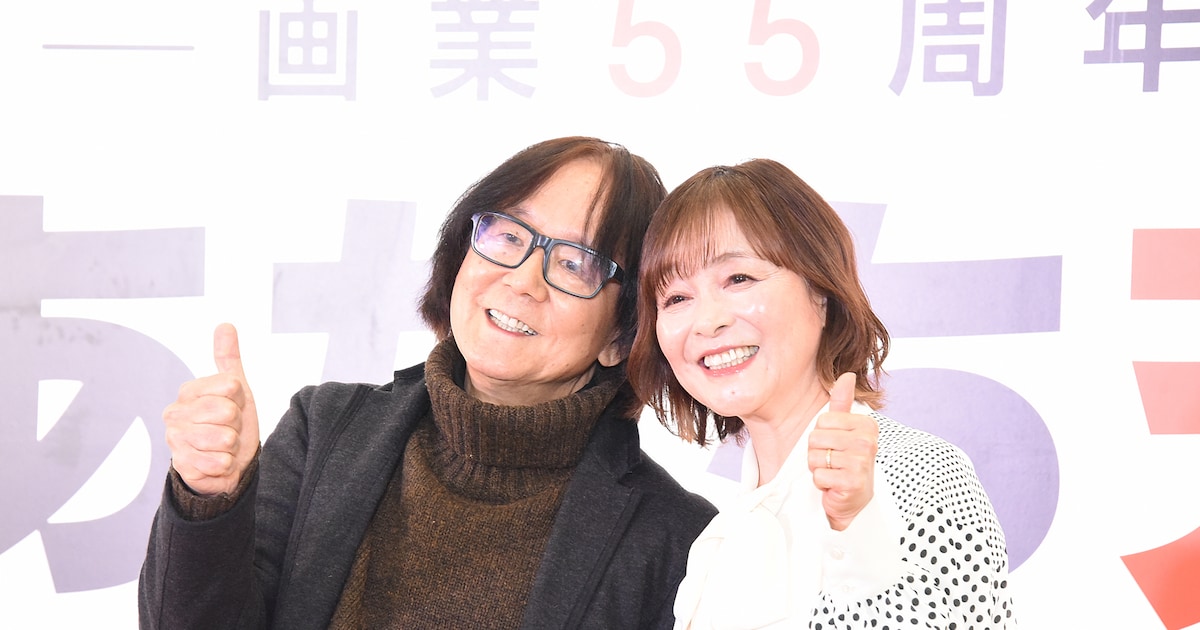
Imagine yourself stepping into a vibrant Tokyo exhibition hall, surrounded by colorful manga panels and the excited chatter of fans. On December 18, 2025, a special preview event took place at Sunshine City in Tokyo, marking the eve of the highly anticipated あだち充展 (Adachi Mitsuru Ten)—an exhibition celebrating 55 years of the legendary manga artist Mitsuru Adachi’s incredible career. What made this moment truly special was seeing Adachi himself alongside voice actress 日髙のり子 (Hidaka Noriko), sharing heartfelt stories and nostalgia that brought his iconic works to life. If you’ve ever wanted to dive deeper into Japanese pop culture and learn the language behind it, this event offers the perfect inspiration.
A Grand Opening for a Manga Icon
Tomorrow, December 19, 2025, the あだち充展 (Adachi Mitsuru Ten) officially opens at Sunshine City’s Exhibition Hall C in Tokyo, running until January 14, 2026. This exhibition honors Mitsuru Adachi’s 55-year journey, a name that resonates deeply in Japan for his relatable and heartwarming manga. During the preview event on December 18, Adachi joined Noriko Hidaka—famous for voicing Minami Asakura in タッチ (Tatchi, Touch)—for a memorable talk session. Adachi, clearly humbled, admitted with a shy smile, “こんなに大事になってるとは思わなかった” (konna ni daiji ni natteru to wa omowanakatta), meaning “I didn’t think it would turn into such a big deal.” Hidaka, radiating excitement, shared, “There’s not enough time to soak it all in! Being surrounded by Adachi-sensei’s manga feels like such a 尊い (toutoi, precious) space.”
Journey Through Adachi’s Timeless Works
The exhibition is thoughtfully organized into zones, each highlighting Adachi’s major series with detailed panels tracing his career timeline. The talk session focused on three standout works: みゆき (Miyuki), タッチ (Tatchi, Touch), and MIX. Reflecting on みゆき, which began its 連載 (rensai, serialization) in 1980 during Japan’s bubble economy, Adachi recalled, “For five or six years after starting みゆき, all I did was work. I was so diligent.” He had little time for trends like the たけのこ族 (Takenoko-zoku) subculture or popular dramas, yet surprised Hidaka by knowing of her 1980 debut as a singer.
Discussing タッチ, launched in 1981, Adachi revealed the めちゃくちゃ (mechakucha, chaotic) schedule of serializing two series at once. “I barely remember that time,” he admitted, “but compared to my seniors with even crazier hours, I couldn’t complain.” Finally, with MIX, his ongoing series since 2012, Adachi described it as a blend of past ideas, playfully saying he’d just ぶち込む (buchikomu, throw in) concepts without overthinking. With a grin, he told fans to imagine the ending however they liked, showing a kind of 開き直る (hirakinaoru, defiant or carefree) attitude.
Adachi’s Art of Unspoken Emotion
A highlight of the talk was Adachi’s unique storytelling style—conveying emotions through expressions and scenery rather than explicit dialogue. “I avoid putting everything into words,” he explained. “Once it’s said, the meaning is fixed, and nuances get lost.” This posed challenges for Hidaka when voicing characters in タッチ. She laughed, “Reading it, I loved getting lost in that world. But acting those unspoken feelings was tough—I had to redo lines so many times!” Whether you’re a manga fan or a language learner, this glimpse into Adachi’s craft shows how much can be said without words in Japanese culture.
Cultural Context: Why Adachi Matters
If Mitsuru Adachi’s name isn’t immediately familiar, know that his influence on Japanese pop culture is profound. His stories often blend sports like baseball with romance and coming-of-age themes, striking a chord with generations of Japanese readers. Works like タッチ aren’t just manga—they’re cultural icons, adapted into anime and live-action, shaping how many Japanese people view youth and nostalgia. The mention of たけのこ族 (Takenoko-zoku), a youth subculture from the late 1970s to early 1980s known for colorful outfits and street dancing in Harajuku, paints a picture of the vibrant bubble-era Japan that framed Adachi’s early career. Understanding these cultural snapshots helps you see the world through his stories—and through the Japanese language itself.
Learn Japanese from This Article
Let’s dive into some practical language lessons inspired by this event. Whether you’re new to Japanese or brushing up, these words and patterns will help you sound more natural and connect with the culture behind Adachi’s manga.
Key Vocabulary
| Japanese | Romaji | Meaning |
|---|---|---|
| 大事 | daiji / oogoto | important, serious matter / big deal |
| のこのこ | nokonoko | carelessly, nonchalantly |
| 尊い | toutoi | precious, valuable |
| 連載 | rensai | serialization (of manga, stories, etc.) |
| めちゃくちゃ | mechakucha | messy, chaotic, absurdly (intensifier) |
| 開き直る | hirakinaoru | to become defiant, to stop caring and just go for it |
| ぶち込む | buchikomu | to throw in, to put in forcefully |
These words capture the tone of the event—Adachi’s humble surprise at the 大事 (daiji, big deal) of the exhibition, or his playful decision to just ぶち込む (buchikomu, throw in) ideas for MIX. Try using めちゃくちゃ (mechakucha) to describe something super chaotic in your own life—it’s a versatile intensifier you’ll hear all over Japan.
Grammar Spotlight: 〜とは思わなかった and 〜ちゃおう
Let’s break down two useful patterns that popped up in the spirit of the event.
〜とは思わなかった (to wa omowanakatta) - “Did not think that ~” / “Was unexpected”
This structure expresses surprise or something unexpected. It’s often used to reflect on a situation that turned out differently than anticipated.
- Structure: [Situation/Thing] + とは思わなかった
- Examples:
- こんなに大事になるとは思わなかった。 (Konna ni daiji ni naru to wa omowanakatta.) “I didn’t think it would become such a big deal.”
- こんなに人が来るとは思わなかった。 (Konna ni hito ga kuru to wa omowanakatta.) “I didn’t think so many people would come.”
- 日本語がこんなに難しいとは思わなかった。 (Nihongo ga konna ni muzukashii to wa omowanakatta.) “I didn’t think Japanese would be this difficult.”
Use this when reflecting on surprises in your own learning journey or life events. It’s a natural way to express hindsight in Japanese.
〜ちゃおう (chaou) - “Let’s do ~” / “I’ll just do ~” (casual volitional form of 〜ちゃう)
This casual form suggests a spontaneous decision or invitation to do something, often with a lighthearted or resigned tone, much like Adachi’s carefree attitude toward MIX.
- Structure: Verb (stem form) + ちゃおう
- Examples:
- とりあえずやってみちゃおう。 (Toriaezu yatte michaou.) “Let’s just give it a try for now.”
- 明日勉強しちゃおう。 (Ashita benkyou shichaou.) “I’ll just study tomorrow.”
- 一緒に行っちゃおう! (Issho ni icchaou!) “Let’s just go together!”
This form is super casual, so use it with friends or in informal settings. It’s perfect for suggesting spontaneous plans or shrugging off overthinking.
Useful Expression
Inspired by Adachi’s nonchalant vibe at the event, try this phrase: のこのこ来ちゃった (nokonoko kichatta) - “I came here carelessly/nonchalantly.” It’s a playful way to admit showing up somewhere without much thought, much like Adachi regretted coming so casually to such a grand event. Use it to lighten the mood when you’ve stumbled into a situation unexpectedly.
Learning Japanese through real events like this exhibition helps you pick up the language as it’s used in Japan—not just from textbooks. These expressions and words are your gateway to sounding more authentic.
Closing Thoughts
Diving into the world of Mitsuru Adachi through the あだち充展 (Adachi Mitsuru Ten) isn’t just about manga—it’s a window into Japanese culture, history, and language. From his heartfelt stories to the casual yet profound way he and Hidaka shared their experiences, there’s so much to learn and appreciate. Keep exploring Japanese with the same curiosity you’d bring to an exhibition hall, and you’ll uncover new layers of meaning with every step.
これからもよろしくお願いします。 Kore kara mo yoroshiku onegaishimasu.