

Japan's Nuclear Debate: A Window into Language and Culture
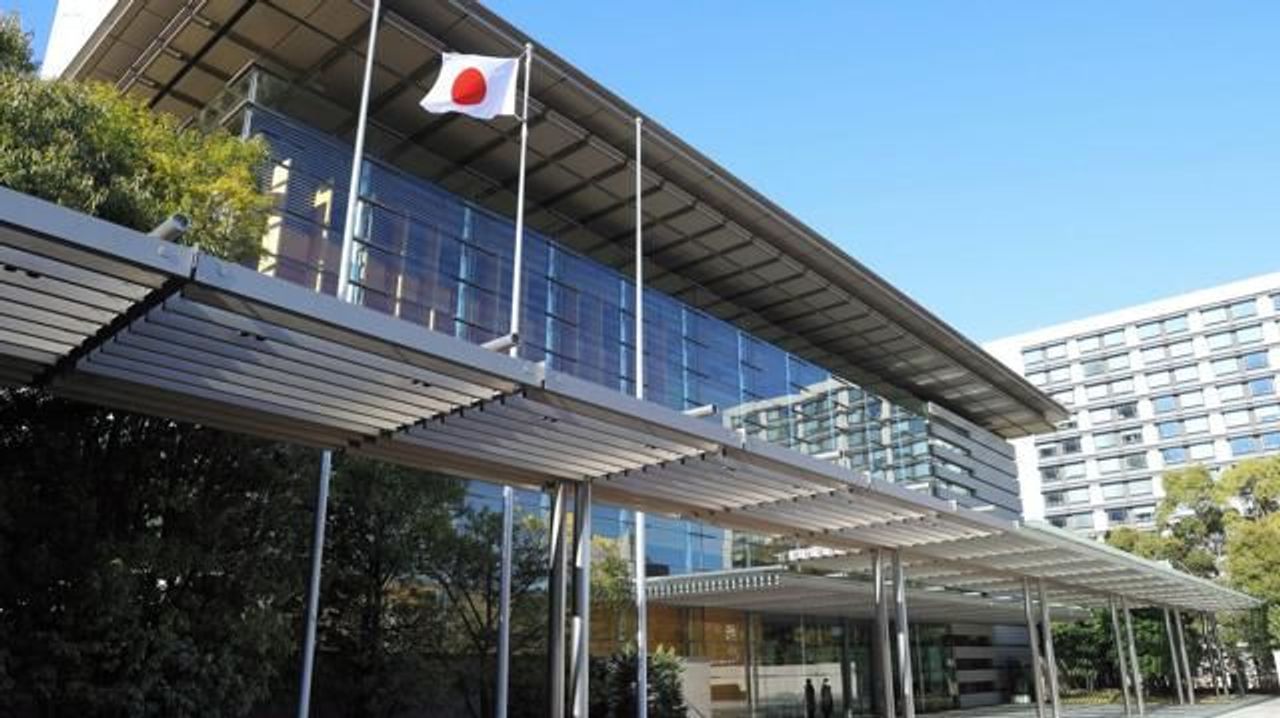
If you've ever wondered how deeply history shapes language and thought in Japan, today’s topic offers a fascinating glimpse. On December 18, 2001, a senior official from the 首相官邸 (shushou kantei - Prime Minister's Office) sparked controversy by sharing a personal opinion that Japan should consider possessing 核兵器 (kaku heiki - nuclear weapons). While not an official stance, this statement peels back layers of Japan’s complex relationship with security and peace—ideas that are woven into the very fabric of the Japanese language. Let’s dive into this news story, explore its cultural weight, and learn some authentic Japanese along the way.
A Controversial Opinion on National Security
Picture this: a high-ranking advisor on 安全保障 (anzen hoshou - national security) speaking to the 報道陣 (houdoujin - press corps, journalists) and suggesting something unthinkable in Japan’s post-war context. The official, advising Prime Minister Sanae Takaichi, expressed a personal view that Japan might need nuclear weapons due to the 厳しい (kibishii - strict, severe) security environment in the region. They were quick to clarify this wasn’t government policy, citing Japan’s commitment to the Nuclear Non-Proliferation Treaty, or 核不拡散条約 (kaku fukakusan jouyaku, abbreviated as NPT), a crucial 条約 (jouyaku - treaty, agreement). Still, the act of 意見具申 (iken gushin - offering an opinion or suggestion to a superior) on such a sensitive topic is rare and revealing.
This isn’t just a political headline; it’s a chance to see how Japanese communication often balances directness with caution. Public statements like this are carefully crafted, reflecting a cultural emphasis on maintaining harmony even when discussing divisive issues.
Cultural Context: Japan’s Anti-Nuclear Legacy
To understand why this opinion stirred controversy, you need to know Japan’s history with nuclear weapons. As the only nation to endure nuclear attacks in Hiroshima and Nagasaki in 1945, Japan has built a national identity around peace, embodied in the 三原則 (san gensoku - Three Non-Nuclear Principles). These principles vow that Japan will not possess, produce, or allow nuclear weapons on its soil. This isn’t just policy—it’s a moral stance tied to the word 平和 (heiwa - peace), which carries profound emotional weight for many Japanese people.
Moreover, Japan’s constitution, specifically Article 9, renounces war as a means of settling disputes, reinforcing a pacifist ethos. So, when a senior official even hints at nuclear armament, it challenges decades of cultural and historical commitment. For you as a learner, this shows how language in Japan isn’t just about words—it’s about the unspoken history and values behind them. When you hear or use terms like 平和 (heiwa), you’re tapping into a collective memory that shapes how Japanese people view the world.
Learn Japanese from This Article
This story isn’t just a news item; it’s a treasure trove of authentic Japanese language and culture. Let’s break down some key vocabulary and grammar patterns to help you speak and think like a native. These are terms and structures you’d encounter in real Japanese media or discussions about serious topics like security and policy.
Key Vocabulary
| Japanese | Romaji | Meaning |
|---|---|---|
| 首相官邸 | shushou kantei | Prime Minister's Office |
| 安全保障 | anzen hoshou | national security |
| 核兵器 | kaku heiki | nuclear weapons |
| 報道陣 | houdoujin | press corps, journalists |
| 意見具申 | iken gushin | offering an opinion or suggestion (to a superior) |
| 厳しい | kibishii | strict, severe, harsh |
| 条約 | jouyaku | treaty, agreement |
These words are often used in formal or political contexts, so they’re great for understanding news or engaging in deeper conversations about Japan’s role in the world. Notice how terms like 厳しい (kibishii) can describe both a tough situation and a strict rule—context is everything in Japanese!
Grammar Spotlight: 〜を踏まえ and 〜つつ
Let’s look at two useful grammar patterns that often appear in formal discussions or news, reflecting the nuanced way Japanese speakers express ideas.
1. 〜を踏まえ (o fumaete) - Taking into account, based on
This structure is used to show that a decision or statement considers a certain situation or fact. It’s common in formal or analytical contexts.
- Structure: [Situation/Fact] + を踏まえ + [Action/Conclusion]
- Example 1: 厳しい安全保障環境を踏まえ、意見を述べた。 (Kibishii anzen hoshou kankyou o fumaete, iken o nobeta.
- Taking into account the severe security environment, they expressed an opinion.)
- Example 2: 条約を踏まえ、政策を変えることは難しい。 (Jouyaku o fumaete, seisaku o kaeru koto wa muzukashii.
- Based on the treaty, changing the policy is difficult.)
Use this when you want to sound logical or considerate, especially in discussions about policy or decisions.
2. 〜つつ (tsutsu) - While, although
This pattern shows two actions or states happening simultaneously or in contrast. It’s a bit more formal than other expressions like 〜ながら (nagara).
- Structure: [Verb stem] + つつ + [Second action/state]
- Example 1: 個人意見を述べつつ、公式な立場ではないと強調した。 (Kojin iken o nobetsutsu, koushiki na tachiba dewa nai to kyouchou shita.
- While stating a personal opinion, they emphasized it wasn’t an official stance.)
- Example 2: 平和を願いつつ、安全保障の課題を考えなければならない。 (Heiwa o negaitsutsu, anzen hoshou no kadai o kangaenakereba naranai.
- While wishing for peace, we must consider security challenges.)
This grammar is perfect for expressing complex or contrasting ideas, a skill you’ll need when discussing sensitive topics in Japanese.
Useful Expression
Here’s a bonus phrase tied to the theme of harmony and formal communication: 和を重んじる (wa o omonjiru - to value harmony). You might use this when explaining why Japanese discussions often avoid direct conflict, as in: 日本では和を重んじる文化がある。 (Nihon dewa wa o omonjiru bunka ga aru. - In Japan, there is a culture that values harmony.)
Closing Thoughts
Learning Japanese isn’t just about memorizing words or grammar—it’s about understanding the heart and history behind them. This news story about a controversial opinion on nuclear weapons shows how language in Japan carries the weight of the past, from 平和 (heiwa - peace) to the cautious phrasing of public statements. As you continue your journey with "Japanese from Japan," keep exploring these cultural nuances. They’ll help you not just speak the language, but truly connect with it.
これからもよろしくお願いします。 Kore kara mo yoroshiku onegaishimasu.