

Japan Ends Earthquake Advisory: A Lesson in Preparedness and Language
If you’ve ever wondered how deeply natural disasters shape a culture, Japan offers a profound example. On December 16, 2001, the Japanese government concluded a critical alert period known as 北海道・三陸沖後発地震注意情報 (Hokkaidō-Sanriku-oki Kōhatsu Jishin Chūi Jōhō), a special advisory for potential aftershock earthquakes in the Hokkaido and Sanriku offshore regions. But here’s the thing—while the official alert has ended, the urgency hasn’t. This moment isn’t just a news update; it’s a window into Japan’s seismic reality and the resilient mindset embedded in its language and daily life. Let’s dive into this story and uncover some authentic Japanese you can learn along the way.
Earthquake Advisory Comes to a Close
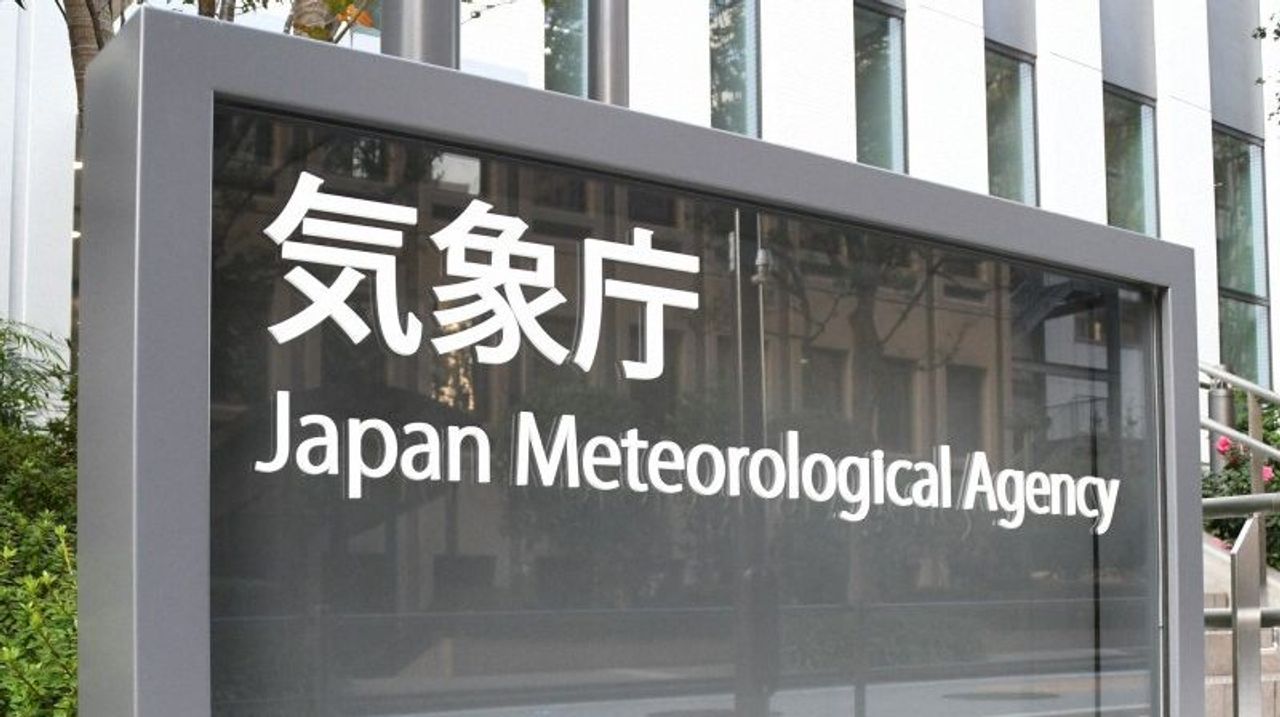
At midnight on December 16, Japan officially ended the special advisory for aftershock risks in vulnerable regions. During a 記者会見 (kisha kaiken - press conference) held by the 内閣府 (Naikakufu - Cabinet Office) and the 気象庁 (Kishōchō - Japan Meteorological Agency), officials delivered a clear message: the end of this 注意情報 (chūi jōhō - advisory information) does not mean the danger of a 地震 (jishin - earthquake) has vanished. They urged residents to maintain vigilance, emphasizing the importance of knowing your 避難場所 (hinan basho - evacuation site) and securing household items to prevent injuries. This proactive stance reflects Japan’s long-standing approach to disaster management, a system shaped by necessity and experience.
Cultural Context: Living with Earthquakes
Earthquakes aren’t just headlines in Japan—they’re a way of life. Positioned on the Pacific Ring of Fire, Japan faces frequent seismic activity, which influences everything from building designs to school curriculums. From a young age, Japanese children participate in 避難訓練 (hinan kunren - evacuation training), learning how to respond when the ground shakes. The concept of 備え (sonae - preparation) isn’t just a word; it’s a cultural value that permeates everyday routines. For language learners, understanding terms tied to disasters isn’t just about vocabulary—it’s about grasping a collective mindset of readiness and community responsibility. This news story shows how language mirrors Japan’s priorities, offering you a deeper connection to the culture as you learn.
Learn Japanese from This Article
Let’s turn this real-world event into a learning opportunity. Below, you’ll find key vocabulary and grammar patterns pulled directly from the context of this earthquake advisory. These aren’t just words or rules—they’re tools to help you understand authentic Japanese as it’s used in Japan.
Key Vocabulary
| Japanese | Romaji | Meaning |
|---|---|---|
| 地震 | jishin | earthquake |
| 注意情報 | chūi jōhō | advisory information, caution notice |
| 備え | sonae | preparation, readiness |
| 避難場所 | hinan basho | evacuation site/place |
| 内閣府 | naikakufu | Cabinet Office |
| 気象庁 | kishōchō | Japan Meteorological Agency |
| 記者会見 | kisha kaiken | press conference |
Grammar Spotlight
Here are two useful grammar patterns that emerge from this news story. These structures are common in formal announcements and everyday conversations alike, so they’re worth adding to your toolkit.
1. 〜わけではない (it does not mean that ~, it is not the case that ~)
This pattern is used to clarify that something isn’t necessarily true or to correct a potential misunderstanding. It’s often seen in formal statements like the ones from this press conference.
- Structure: [Statement/Verb in plain form] + わけではない
Examples:
- 注意情報が終わったから危険がなくなったわけではない。 (Chūi jōhō ga owatta kara kiken ga nakunatta wake dewa nai.) Just because the advisory has ended does not mean the danger is gone.
- 地震が来ないわけではないので、備えが必要です。 (Jishin ga konai wake dewa nai node, sonae ga hitsuyō desu.) It’s not the case that an earthquake won’t come, so preparation is necessary.
- 知っているわけではないが、聞いたことがあります。 (Shitteiru wake dewa nai ga, kiita koto ga arimasu.) It’s not that I know it, but I’ve heard about it.
When to Use: Use this to soften a statement or clarify that something isn’t absolute, especially in cautious or formal contexts.
2. 〜を求める (to request/demand ~, to ask for ~)
This pattern is often used in official contexts to express a call for action or cooperation, as seen in the government’s urging for continued vigilance.
- Structure: [Noun] + を求める
Examples:
- 政府は住民に注意を求める。 (Seifu wa jūmin ni chūi o motomeru.) The government requests caution from residents.
- 避難場所の確認を求めるメッセージが出ています。 (Hinan basho no kakunin o motomeru messeeji ga deteimasu.) A message has been issued asking for confirmation of evacuation sites.
- 協力を求めるために会見を開きました。 (Kyōryoku o motomeru tame ni kaiken o hirakimashita.) A press conference was held to ask for cooperation.
When to Use: This is a polite yet firm way to request something, often used in formal or public settings.
Useful Expression
One phrase you’ll hear often in disaster-related contexts is a call for readiness. Here’s a practical expression to remember:
- 備えをしてください。 (Sonae o shite kudasai.) - Please prepare (yourself).
This simple request encapsulates the proactive spirit of Japanese disaster culture and is a phrase you might encounter in real-life situations or announcements.
Closing Thoughts
Learning Japanese isn’t just about memorizing words or grammar—it’s about understanding the heartbeat of the culture behind the language. This earthquake advisory update reminds us how deeply Japan’s seismic reality shapes its people and their expressions. By exploring terms like 備え (sonae - preparation) and patterns like 〜わけではない, you’re not just building your vocabulary; you’re stepping into a mindset of resilience. Keep practicing, and you’ll find that each new word or phrase brings you closer to thinking and communicating like a native speaker.
これからもよろしくお願いします。 Kore kara mo yoroshiku onegaishimasu.