

Japan's "Income Wall": Tax Changes and What They Mean for You
Have you ever wondered how economic policies in Japan affect the daily lives of ordinary people? If you’re learning Japanese to understand the culture and society, today’s topic will give you a real glimpse into modern Japan. We’re diving into a recent proposal about the 年収の壁 (nenshuu no kabe), or "income wall," a term that shapes how much income tax Japanese workers pay. This isn’t just about numbers—it’s about fairness, inflation, and the way people navigate work and life in Japan. Let’s break down this news and see what it teaches us about the language and culture.
Policy Update: Raising the Income Threshold
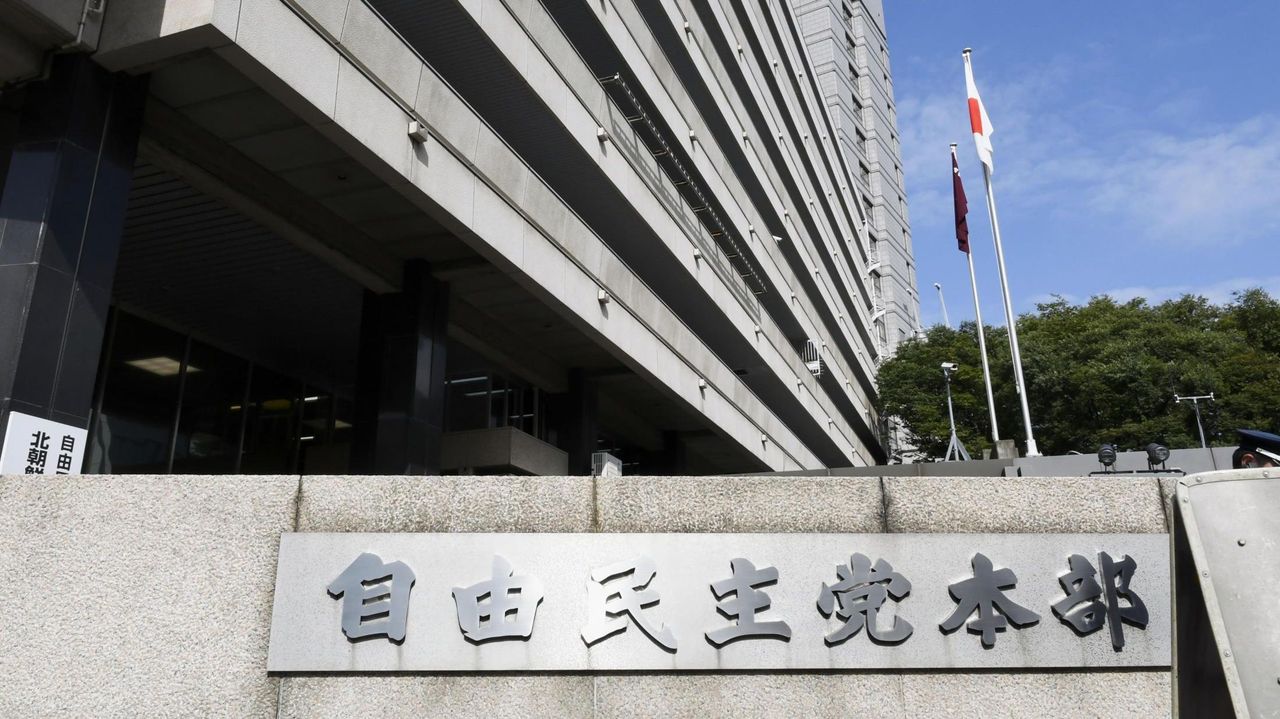
On December 11, 2001, Japan’s ruling Liberal Democratic Party (LDP) shared details of a proposal to adjust the so-called 年収の壁 (nenshuu no kabe), the income level at which workers start paying 所得税 (shotokuzei), or income tax. The plan involves revising key deductions like the 基礎控除 (kiso koujo), meaning "basic deduction," and the 給与所得控除 (kyuuyo shotoku koujo), or "salary income deduction." These deductions would be updated every two years に基づいて (ni motozuite), meaning "based on," the rise in the 消費者物価指数 (shouhisha bukka shisuu), known as the consumer price index (CPI).
What does this mean for workers? By 2026, the income wall is expected to see a 引き上げ (hikiage), or "increase," from 1.6 million yen to 1.68 million yen—an extra 80,000 yen before taxes kick in. This adjustment aims to protect workers from being pushed into higher tax brackets just because of inflation. For many Japanese households, this small 引き上げ (hikiage) could provide some much-needed financial breathing room.
Cultural Context: Why the "Income Wall" Matters
If you’re scratching your head over what a 壁 (kabe), or "wall," has to do with 年収 (nenshuu), annual income, let me explain. In Japan, the "income wall" isn’t just a metaphor—it’s a real barrier that influences life decisions. Crossing this income threshold means losing certain tax deductions, which can feel like hitting a financial wall. This often affects part-time workers, especially secondary earners in a household, like a spouse. Many deliberately keep their 年収 (nenshuu) below this level to avoid a heavier tax burden.
Historically, Japan’s tax system has aimed to support lower-income earners through deductions like the 基礎控除 (kiso koujo). But with rising costs of living, inflation has become a pressing issue. The LDP’s proposal に関し (ni kanshi), or "regarding" this adjustment, reflects a broader concern: ensuring fairness in the tax system. It also ties into cultural discussions about gender roles, as the income wall often impacts women balancing part-time work with family duties. Understanding this policy gives you insight into the economic pressures and societal norms shaping life in Japan.
Learn Japanese from This Article
Let’s turn this news into a learning opportunity! Below, you’ll find key vocabulary from the article, a grammar spotlight on useful patterns, and expressions to help you talk about economic topics in Japanese. These are taught the way native speakers learn—through context and real-world usage.
Key Vocabulary
| Japanese | Romaji | Meaning |
|---|---|---|
| 年収 | nenshuu | annual income |
| 壁 | kabe | wall, barrier |
| 所得税 | shotokuzei | income tax |
| 基礎控除 | kiso koujo | basic deduction |
| 給与所得控除 | kyuuyo shotoku koujo | salary income deduction |
| 消費者物価指数 | shouhisha bukka shisuu | consumer price index (CPI) |
| 引き上げ | hikiage | increase, raise |
These words aren’t just useful for understanding news articles—they’re terms you’ll hear in everyday conversations about work and money in Japan. Try using 年収 (nenshuu) or 所得税 (shotokuzei) when discussing jobs with Japanese friends!
Grammar Spotlight: 〜に関し and 〜に基づいて
Let’s look at two grammar patterns that often pop up in formal or news contexts like this one. These will help you sound more natural when discussing policies or decisions.
1. 〜に関し (ni kanshi) - Regarding, Concerning
- Structure: Noun + に関し
- Usage: Used in formal contexts to mean "regarding" or "concerning" a specific topic.
- Examples:
- 税金の引き上げに関し、議論が続いています。 (Zeikin no hikiage ni kanshi, giron ga tsuzuiteimasu.) Regarding the tax increase, discussions are ongoing.
- 新しい政策に関し、意見を聞きたいです。 (Atarashii seisaku ni kanshi, iken o kikitai desu.) Concerning the new policy, I’d like to hear your opinion.
- When to Use: This is common in written Japanese or formal speech, like news reports or business settings. It shows you’re focusing on a specific issue.
2. 〜に基づいて (ni motozuite) - Based On
- Structure: Noun + に基づいて
- Usage: Indicates that something is done or decided "based on" a certain standard or data.
- Examples:
- データに基づいて、決定が下されました。 (Deeta ni motozuite, kettei ga kudasararemashita.) The decision was made based on the data.
- 物価指数に基づいて、給料が調整されます。 (Bukka shisuu ni motozuite, kyuuryou ga chousei saremasu.) Salaries are adjusted based on the price index.
- When to Use: Perfect for discussions about policies, research, or anything grounded in facts or standards. You’ll often see this in articles like the one we’re discussing.
Useful Expression
Here’s a bonus phrase to help you talk about changes or adjustments in a natural way:
- 引き上げがあります。 (Hikiage ga arimasu.) - There is an increase. Use this when discussing raises in salary, taxes, or thresholds, as we saw with the income wall.
Closing Thoughts
Exploring news like the 年収の壁 (nenshuu no kabe) adjustment isn’t just about understanding policy—it’s about connecting with the real challenges and values of Japanese society. As you learn Japanese, diving into topics like this helps you see the language as a living tool, shaped by culture and history. Keep practicing these words and grammar patterns, and soon you’ll be discussing economic issues with confidence!
これからもよろしくお願いします。 Kore kara mo yoroshiku onegaishimasu.