
Imagine stumbling upon a word that whispers secrets of ancient mountains and harmonious societies, all without needing a single English equivalent to unlock its depth. That's the magic of Japanese etymology, where terms like 大和 (Yamato) carry the weight of Japan's island geography and resilient spirit. As you delve into these origins, you'll discover how the language evolved in splendid isolation, shaping a vocabulary that's as much a map of nature as it is a chronicle of culture.
This lesson uncovers the roots of everyday words, focusing on their ties to the natural world and societal shifts. We'll explore them as they stand in Japanese, free from forced Western comparisons that often muddle the true picture. Get ready to see familiar terms in a new light, empowering your grasp of the language on its own terms.

Unpacking "Yamato": A Name Born from Land and Legacy
Start with 大和 (Yamato), the ancient name for Japan's heartland that still echoes in poetry and history. This term blends 大 (yama — great) with 和 (wa — harmony), evoking a vast, peaceful realm nestled in mountainous terrain. Historically, it marks the Yamato period's rise in the Nara Basin, where early settlers thrived amid fertile valleys.
Dig deeper, and you'll find early Chinese records labeling Japan as 倭 (Wa), a term hinting at "dwarf" or "submissive" from an outsider's gaze. By the 8th century, under Empress Genmei, this shifted to 和 (wa), reclaiming harmony as a core identity. Such changes, detailed in sources like Wikipedia, show Japanese etymology asserting itself independently, rooted in the land's peaks rather than foreign impositions.
Notice how 山 (yama — mountain) infuses the word, tying it directly to Japan's rugged landscape. Culturally, it defines the Yamato people as the ethnic foundation, separate from Ainu or Ryukyuan threads. Embracing this pure yamato-kotoba approach, as discussed on forums like Reddit, helps you appreciate words evolving without heavy external borrowing.

Nature's Imprint on Everyday Words
Japan's vocabulary pulses with the rhythms of its environment, drawing directly from forests, seas, and winds. Consider 山 (yama — mountain), which forms compounds like 富士山 (Fujisan), the snow-capped icon. Its roots reach back to ancient tongues, possibly Altaic, as etymological dictionaries suggest, mirroring the islands' misty heights.
Then there's 川 (kawa — river), flowing into words like 川辺 (kawabe — riverside). This yamato-kotoba gem reflects the waterways that sustained rice farming, a cultural bedrock. Sites like Heritage of Japan link it to solar myths, blending natural flow with legendary origins.
Explore more in this table of nature-inspired words:
| Japanese Word | Romaji | Meaning | Etymological Link to Nature/Culture |
|---|---|---|---|
| 森 | mori | forest | Evokes thick woodlands; tied to Shinto's sacred groves and spiritual reverence. |
| 海 | umi | sea | Roots in vast oceans; reflects Japan's isolated, maritime existence. |
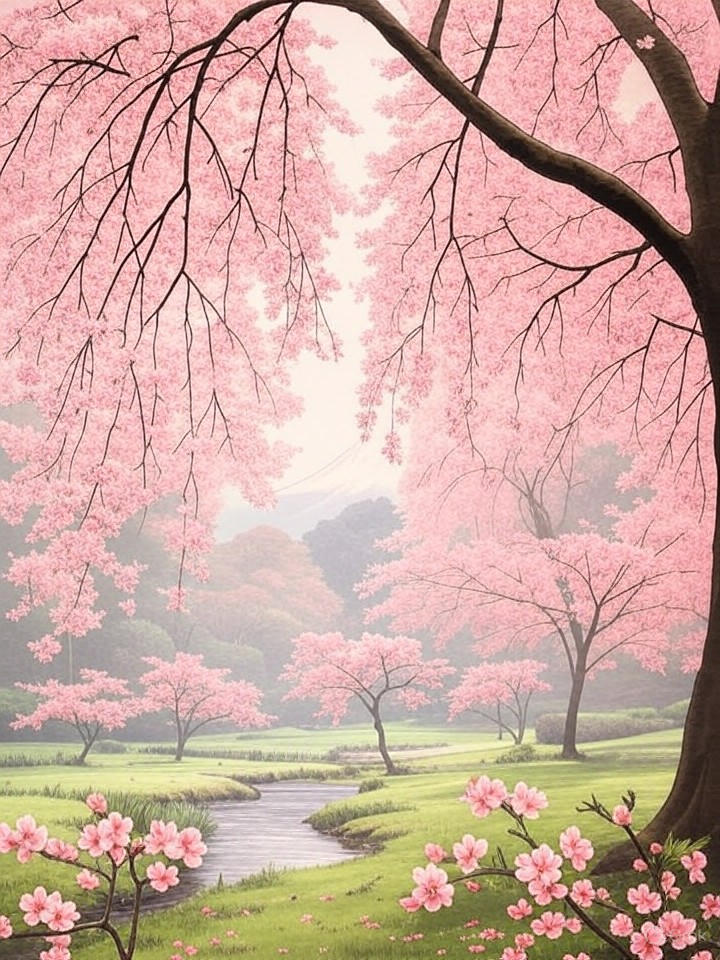
| 花 | hana | flower | Captures fleeting beauty, linked to cherry blossoms and cultural transience. |
| 風 | kaze | wind | Hints at unseen forces, echoing animistic views of nature's breath. |
These words keep a vivid, sensory bond to the world, unlike abstracted terms in many Western languages. By encountering them in context, you build a stronger connection, sidestepping translations that dilute their essence.
Cultural Threads Woven into Language
Cultural currents run deep in Japanese words, weaving history into the everyday. Look at 日本 (Nihon), meaning "sun's origin," a nod to the land's eastern sunrise from China's perspective. As Japan Today explains, it evolved from ancient "Hi no moto," marking geopolitical savvy in self-naming.
Equally rich is 和 (wa — harmony), central to concepts like Yamato-damashii, the unyielding Japanese spirit. Tofugu notes how it flipped derogatory exonyms into badges of balance, showcasing linguistic resilience. This stands apart from individualistic Western ideals, highlighting Japan's unique path.
See these cultural etymologies compared here:
| Word | Romaji | Core Meaning | Cultural/Etymological Trace |
|---|---|---|---|
| 侍 | samurai | warrior | From "saburau" (to serve); rooted in feudal loyalty and bushido ethics. |
| 茶 | cha | tea | Adapted from borrowings; embodies Zen calm and ritual harmony with nature. |
| 祭 | matsuri | festival | Connected to rites honoring spirits, blending community and harvest cycles. |
| 道 | michi | path/way | Spans physical trails and philosophies like bushido, merging body and spirit. |
Uncovering these layers reveals etymology as a cultural story, not a translation exercise. Studies on ResearchGate affirm that this method boosts retention, letting you engage with Japanese as natives do.
Conclusion
Japanese etymology thrives in its independence, with yamato-kotoba words like 自然 (shizen — nature) implying self-unfolding, distinct from Western derivations. Quora threads compare it to poetic antiques in other languages, yet it remains uniquely tied to Japan's archipelago. This perspective frees you from viewing words through English filters, inviting direct exploration.
Armed with tools like Jisho.org for etymological notes, you'll uncover more on your own. Dive in, and let these origins transform how you experience the language.
Until next time,
これからもよろしくお願いします。
Kore kara mo yoroshiku onegaishimasu