

Fasting for 20 Hours in Japan: A McDonald’s Disaster
Imagine this: you’ve just stumbled out of a medical clinic in Japan, your stomach growling louder than a Tokyo train at rush hour. You’ve endured nearly 20 hours without food for a health checkup, and all you can think about is food—any food. But instead of a nourishing meal, you head straight for a greasy, seasonal McDonald’s burger called グラコロ (Gurakoro). If you’ve ever wondered how hunger can mess with your senses (and your sanity), this true story from a Japanese writer at Rocket News will hit close to home—and it’s packed with language and cultural lessons straight from Japan.
The Afternoon Health Checkup Nightmare
In Japan, a 健康診断 (kenkou shindan), or health checkup, is a standard part of life, often scheduled early in the morning to keep the fasting period short. But for writer Ahiruneko, things didn’t go as planned. With morning slots fully booked, the 予約 (yoyaku), or reservation, got pushed to 1:30 PM. That meant a much longer 絶食 (zesshoku), or fasting period—starting from dinner at 7 PM the night before, totaling almost 20 hours without food.
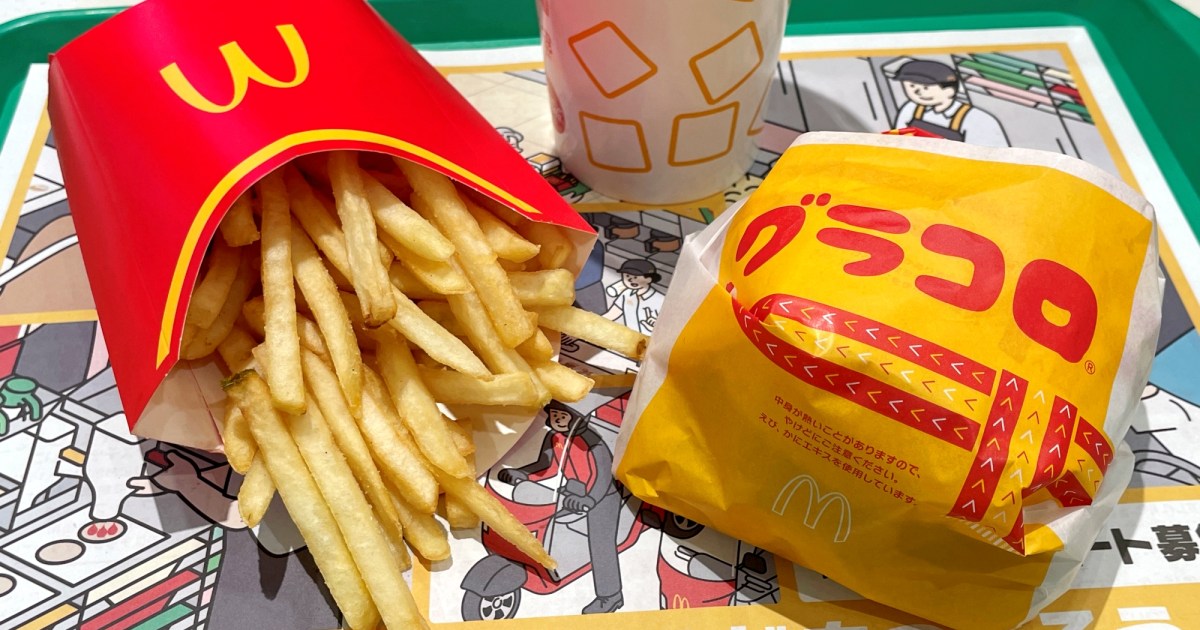
The 注意事項 (chuui jikou), or precautions, for these checkups are strict. No 固形物 (kokeibutsu), or solid food, for hours before the tests, especially with stomach X-rays and ultrasounds on the schedule. Even though water or tea was allowed up to two hours prior, and light options like jelly could technically work, there was nothing on hand. By the time the checkup wrapped up just before 3 PM, hunger had taken over. After being spun around for a barium X-ray (and finding the chalky liquid oddly tasty in desperation), the writer was ready to eat anything. But a gentle meal? Nope. The choice was pure indulgence—a winter-limited グラコロ (Gurakoro) burger from McDonald’s.
A Carb Overload Catastrophe
You’d think biting into the グラコロ (Gurakoro) after such a long fast would be pure bliss, right? Well, it was… and it wasn’t. Within seconds, the writer’s vision warped, like something out of a dramatic manga, with dizziness nearly knocking them out. Why? This burger is a 炭水化物 (tansui kabutsu), or carbohydrate, monster—practically made of flour from bun to filling. After fasting for so long, this heavy meal likely spiked the writer’s 血糖値 (kettouchi), or blood sugar level, sending their body into chaos.
And it got weirder. The McDonald’s fries, a familiar side, tasted bizarrely sweet, as if the potato’s natural flavor had been dialed up to eleven. The writer even imagined seeing the vast American plains in their mind, wondering if this was the same fast food they’d eaten for 35 years. It was surreal, like meeting a stranger in familiar skin. This wasn’t just a meal—it was a sensory rollercoaster, showing how hunger can twist even the most mundane experiences.
Cultural Context: Seasonal Fast Food and Serious Health Checks
If you’re new to Japanese culture, a seasonal McDonald’s item like グラコロ (Gurakoro)—short for “gratin croquette”—might sound odd. But in Japan, fast food chains often release limited-time menu items tied to seasons or holidays, sparking nostalgia and a sense of obligation. The writer admits they’re not even a huge fan of グラコロ, yet felt a strange duty to eat it during its winter run. This mirrors a broader cultural trend of embracing seasonal traditions, even in modern, commercial spaces—think cherry blossom snacks in spring or moon-viewing burgers in autumn.
Health checkups also carry a unique weight in Japan. Often mandatory for employees or students, they’re incredibly thorough and treated as a critical preventative measure. Fasting rules are non-negotiable to ensure accurate results, especially for imaging tests, which is why sneaking a bite wasn’t an option. This reflects Japan’s societal focus on collective well-being and responsibility, a value you’ll notice in many aspects of daily life here.
This story isn’t just a quirky anecdote—it’s a window into the everyday quirks of Japanese life, from strict medical routines to the comforting pull of seasonal fast food. As a learner, it’s a reminder that language and culture are intertwined, often hiding in the smallest, most unexpected moments.
Learn Japanese from This Article
Let’s dive into some practical language lessons pulled straight from this story. Whether you’re navigating a health checkup or just craving fast food in Japan, these words and grammar points will help you sound more natural—exactly how Japanese is taught and used in Japan.
Essential Vocabulary
| Japanese | Romaji | Meaning |
|---|---|---|
| 健康診断 | kenkou shindan | health checkup |
| 絶食 | zesshoku | fasting, abstaining from food |
| 予約 | yoyaku | reservation, booking |
| 注意事項 | chuui jikou | points to note, precautions |
| 固形物 | kokeibutsu | solid food |
| 炭水化物 | tansui kabutsu | carbohydrates |
| 血糖値 | kettouchi | blood sugar level |
These words aren’t just useful for medical contexts—they pop up in everyday conversations too. For instance, 予約 (yoyaku) is something you’ll use for booking anything from a restaurant table to a train seat.
Grammar Spotlight: 〜ことになる and 〜と思いきや
Let’s break down two grammar patterns that capture the unexpected twists in this story, helping you express outcomes and surprises like a native speaker.
1. 〜ことになる: End up (doing), result in (doing)
This structure is used to describe a situation or outcome that happens, often beyond one’s control or as a result of circumstances.
- Structure: Verb (dictionary form) + ことになる
- Examples:
- 朝の予約が取れなかったので、午後の健康診断を受けることになった。 (Asa no yoyaku ga torenakatta node, gogo no kenkou shindan o ukeru koto ni natta.) Since I couldn’t get a morning slot, I ended up having an afternoon health checkup.
- 絶食が長すぎて、食べるのが危険なことになった。 (Zesshoku ga nagasugite, taberu no ga kiken na koto ni natta.) The fasting went on too long, so eating became dangerous.
- 遅刻したので、会議に参加できないことになった。 (Chikoku shita node, kaigi ni sanka dekinai koto ni natta.) I was late, so I ended up not being able to join the meeting.
Use this when talking about inevitable results or decisions made for you, like scheduling conflicts or unintended consequences.
2. 〜と思いきや: Thinking that... but in reality
This expression captures a surprising turn of events, often used in storytelling to highlight a twist.
- Structure: Verb (ta-form) / i-adjective + と思いきや
- Examples:
- グラコロを食べたら満足すると思ったと思いきや、めまいがして倒れそうになった。 (Gurakoro o tabetara manzoku suru to omotta to omoikiya, memai ga shite taoresou ni natta.) I thought I’d feel satisfied after eating the Gurakoro, but in reality, I got dizzy and nearly collapsed.
- フライドポテトはいつもの味だと思ったと思いきや、すごく甘く感じた。 (Furaido poteto wa itsumo no aji da to omotta to omoikiya, sugoku amaku kanjita.) I thought the fries would taste as usual, but in reality, they felt incredibly sweet.
- 早く終わると思ったと思いきや、健康診断が3時までかかった。 (Hayaku owaru to omotta to omoikiya, kenkou shindan ga san-ji made kakatta.) I thought it would end quickly, but in reality, the health checkup lasted until 3 PM.
This is perfect for casual storytelling, adding a dramatic flair to unexpected outcomes—something you’ll hear a lot in Japanese conversations or read in personal blogs like this one.
Useful Expression
Here’s a bonus phrase you might hear during a health checkup or when discussing rules: 注意事項を守ってください。 (Chuui jikou o mamotte kudasai.) Please follow the precautions.
It’s a polite way to remind someone to adhere to guidelines, and it’s a phrase you’ll encounter in formal settings across Japan.
Closing Thoughts
Stories like this aren’t just entertaining—they’re a goldmine for learning Japanese the way it’s lived and spoken in Japan. From navigating strict health protocols to indulging in seasonal fast food, you’ve picked up vocabulary, grammar, and cultural insights that textbooks often miss. Keep exploring these real-life moments with us, and you’ll find that Japanese becomes more than just a language—it’s a doorway to understanding a whole way of life.
これからもよろしくお願いします。 Kore kara mo yoroshiku onegaishimasu.