
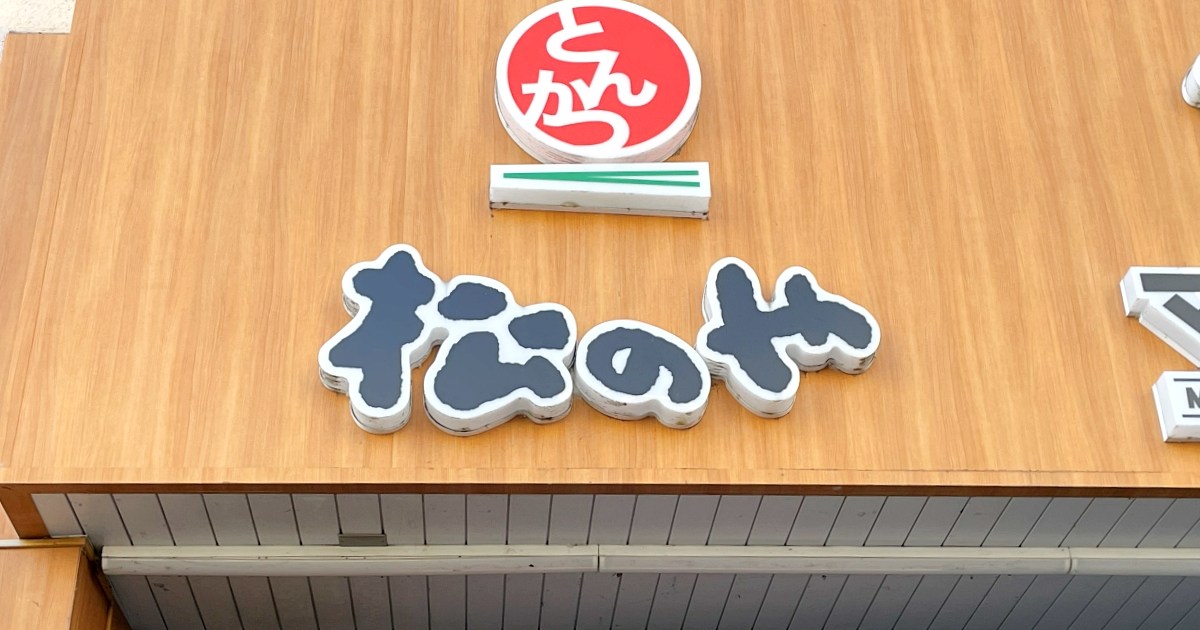
Matsu no Ya’s 25% Off Deal: A Tasty Way to Learn Japanese
Hey there, Japanese learners! If you’ve ever dreamed of diving into everyday life in Japan through its food, here’s a delicious opportunity. Picture yourself walking into a bustling restaurant chain, snagging a hearty meal for less than the price of a fancy coffee, and joining in on a deal that’s got locals buzzing on social media. Right now, a hot topic in Japan is the incredible discount campaign from 松のや (Matsu no Ya), a popular tonkatsu (breaded pork cutlet) chain under the Matsuya brand. Let’s dig into this tasty news and uncover what it teaches us about Japanese language and culture!
A Mouthwatering 25% Off Deal at Matsu no Ya
According to a recent report from Rocket News, 松のや (Matsu no Ya) is celebrating hitting 25,000 followers on their official X account with an amazing “X Coupon” promotion. This isn’t just a small discount—it’s a massive 25% off on 12 selected menu items! All you have to do is follow their X account, grab the QR code for the クーポン (kūpon, coupon), and scan it at the ticket machine in-store. One of the best deals is the ロースかつ定食 (rōsu katsu teishoku), a breaded pork loin cutlet set meal, topped with potato salad (ポテサラ, potesara), all for just 580 yen including tax. Normally, this set meal costs 690 yen, making it almost a ワンコイン (wan koin, one-coin) meal—referring to the 500-yen coin that’s a benchmark for affordable eats in Japan.
But there’s more! At 158 select locations nationwide as of December 12, 2025, you can enjoy おかわり無料 (okawari muryō), meaning free refills on rice (ライス, raisu) and miso soup (味噌汁, misoshiru). So, for just 580 yen, you’re not only getting a satisfying meal but also an all-you-can-eat experience on the side. Plus, ordering a meal during this promotion gets you extra coupons for free items like croquettes (コロッケ, korokke) on your next visit. That’s what I call 至高 (shikō, supreme or ultimate) value!
There’s a small catch, though: the expiration date for this X Coupon isn’t clear on their official X account (@matsu_noya). The campaign started on December 10, so it’s probably good for a while, but Rocket News advises everyone to hurry—ideally, right now!—to take advantage before it’s over.
Why Matsu no Ya Stands Out
If you’ve never tried 松のや (Matsu no Ya), you’re in for a treat. Their ロースかつ (rōsu katsu), or pork loin cutlet, is described as crispy, hot, and satisfyingly thick. This shows how even chain restaurants in Japan maintain high quality at budget prices. Adding potato salad as a topping for just a bit extra (normally 90 yen) makes the meal even more appealing, especially when bundled into this deal. It’s these little touches that highlight how Japanese chains prioritize customer satisfaction, blending affordability with a fulfilling dining experience.
Cultural Context: Food Chains and Deals in Japan
For many English speakers, the idea of a fast-food chain offering such generous deals—and free refills—might seem surprising, but it’s a core part of Japanese food culture. Chains like 松のや (Matsu no Ya) cater to busy workers, students, and families looking for quick, affordable, yet hearty meals. とんかつ (tonkatsu, breaded pork cutlet) restaurants are especially loved because they serve a comforting, traditional dish in a casual setting. The idea of おかわり無料 (okawari muryō, free refills) reflects a deep-rooted Japanese hospitality value of ensuring guests leave full and content, even at budget-friendly spots.
Campaigns like this X Coupon also tap into Japan’s obsession with limited-time offers, or 期間限定 (kikan gentei). These promotions create urgency and excitement, spreading like wildfire on social media platforms like X. It’s not just about saving money; it’s about being part of a shared moment and joining the collective buzz—something you’ll notice often if you follow Japanese trends. Even the use of QR codes at ticket machines shows how tech-savvy and efficient dining out can be in Japan, with innovations like wait-time displays becoming more common.
This story isn’t just about a discount; it’s a glimpse into how Japanese people value food, community, and a good deal. By diving into this news, you’re stepping into an everyday conversation you might have with friends over lunch in Japan!
Learn Japanese from This Article
Now that you’ve got the scoop on this tasty deal, let’s turn it into a learning opportunity. Here are some key words and grammar points straight from the story to help you sound more natural in Japanese, just like locals do.
Key Vocabulary
| Japanese | Romaji | Meaning |
|---|---|---|
| とんかつ | tonkatsu | breaded pork cutlet |
| 定食 | teishoku | set meal |
| クーポン | kūpon | coupon |
| おかわり | okawari | refill, second helping |
| ワンコイン | wan koin | one coin (typically 500 yen) |
| 至高 | shikō | supreme, ultimate |
These words are super practical for talking about food and deals in Japan. For instance, if you’re at a restaurant and want more rice, just say おかわりお願いします (okawari onegaishimasu, “A refill, please”), and you’ll fit right in!
Grammar Spotlight: 〜ている (Ongoing Action or State)
Let’s look at the grammar pattern 〜ている (~te iru), which describes an ongoing action or a current state. You’ll hear this all the time in Japanese conversations, including when talking about campaigns like this one.
- Structure: Verb (て-form) + いる
- Usage: Used for actions happening right now or a state that continues over time.
Examples:
- 松のやでキャンペーンをやっています。 (Matsu no Ya de kyanpēn o yatte imasu.) “Matsu no Ya is running a campaign.”
- 友達がクーポンを使っています。 (Tomodachi ga kūpon o tsukatte imasu.) “My friend is using a coupon.”
- 今、松のやで食べています。 (Ima, Matsu no Ya de tabete imasu.) “I’m eating at Matsu no Ya right now.”
This pattern is essential for describing what’s happening in the moment, whether it’s a promotion or what you’re doing. It’s much more natural than the simple present tense often taught in textbooks!
Grammar Spotlight: 〜たら (If, When - Conditional)
Another useful pattern is 〜たら (~tara), which expresses a conditional “if” or “when” situation. It’s great for talking about deals or plans.
- Structure: Verb (た-form) + ら
- Usage: Used to describe what will happen if a condition is met or when something occurs.
Examples:
- クーポンを使ったら、安くなります。 (Kūpon o tsukattara, yasuku narimasu.) “If you use a coupon, it will be cheaper.”
- 松のやに行ったら、ロースかつを食べたいです。 (Matsu no Ya ni ittara, rōsu katsu o tabetai desu.) “If I go to Matsu no Ya, I want to eat the pork loin cutlet.”
- このキャンペーンが終わったら、残念です。 (Kono kyanpēn ga owattara, zannen desu.) “If this campaign ends, it will be a shame.”
This pattern helps you talk about possibilities and plans, like snagging a deal before it’s gone. It’s a natural way to express conditions in daily life.
Useful Expression
Here’s a bonus phrase you’ll hear a lot in restaurants: おかわりお願いします。 (Okawari onegaishimasu.) “May I have a refill, please?” Use this when you want more rice or soup, especially at places with free refills like some 松のや (Matsu no Ya) locations. It’s polite and shows you’re engaging with Japanese dining etiquette.
Closing Thoughts
I hope this tasty news from 松のや (Matsu no Ya) has not only made your mouth water but also sparked your curiosity to learn more Japanese. Whether it’s mastering food-related vocab or practicing grammar like 〜ている (~te iru) and 〜たら (~tara), little stories like this are a fantastic way to connect with the language as it’s used in real life in Japan. Keep exploring, keep learning, and maybe one day you’ll be enjoying a とんかつ定食 (tonkatsu teishoku) while chatting with locals about the latest deals!
これからもよろしくお願いします。 Kore kara mo yoroshiku onegaishimasu.